
Wheel Loader
Experience the pinnacle of earthmoving productivity with our advanced wheel loader solutions. Engineered for heavy-duty performance, these industrial front end loaders provide unmatched material handling efficiency for construction, quarrying, and industrial applications.
Understanding the Wheel Loader
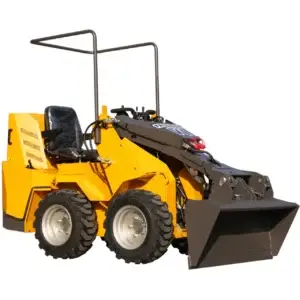
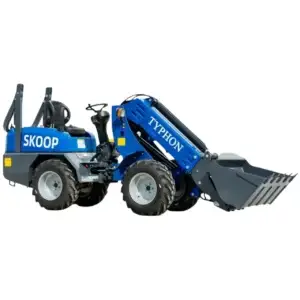
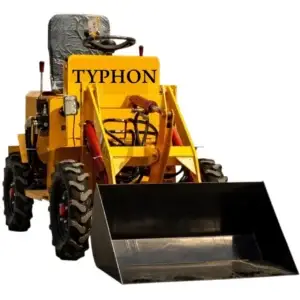
A wheel loader, often referred to as a front end loader or a bucket loader, is the backbone of the modern construction jobsite. This four-wheeled heavy equipment machine is designed with a front-mounted bucket connected to the end of two booms (arms) to scoop, lift, and carry materials. Unlike tracked loaders, the wheel loader offers superior mobility and speed, making it the ideal choice for projects requiring the frequent transportation of materials across various terrain types.
In the world of industrial construction equipment, the wheel loader stands out for its articulated steering system. This design allows the machine to hinge in the middle, providing a tight turning radius despite its massive size. This maneuverability is critical when performing material loading operations in confined quarries or busy construction sites where space is at a premium.
Whether you are searching for a wheel loader for sale for a small-scale landscaping business or a massive heavy-duty loader for a mining operation, understanding the synergy between engine power, hydraulic flow, and bucket capacity is essential. Modern construction loading equipment has evolved to include sophisticated telematics and load-sensing hydraulics, ensuring that every cycle is optimized for maximum fuel efficiency and minimal operator fatigue.
As earthmoving equipment, these machines are not just for lifting. They are integral to the construction workflow optimization, serving as the bridge between excavation and transportation. Without the efficiency of a high-performance wheel loader machine, the pace of modern infrastructure development would grind to a halt.
Versatile Wheel Loader Applications
From the depths of a quarry to the frantic pace of a roadwork project, the construction wheel loader adapts to various specialized environments.
Construction Site Loading
Streamline your jobsite loading equipment operations by moving soil, gravel, and construction debris with precision. The wheel loader's speed ensures that dump trucks spend less time waiting and more time hauling.
Quarry Operations
In the harshest environments, heavy equipment loaders handle blasted rock and raw minerals. High breakout force is essential here to penetrate tough piles of aggregate and ore.
Aggregate Movement
Efficiently manage stockpiles of sand, stone, and crushed concrete. Material handling loaders are the primary tool for maintaining organized inventory in aggregate yards.
Industrial Handling
Industrial facilities utilize specialized loaders for moving scrap metal, coal, and waste. These machines often feature reinforced guarding for protection in hazardous industrial construction zones.
Road Construction Support
From clearing the path for new highways to loading asphalt cold planings, the front end loader is a constant presence in municipal roadwork and infrastructure repair.
Demolition Cleanup
Equipped with grapple buckets, wheel loaders become powerful tools for sorting and loading demolition waste, significantly speeding up the clearing of urban sites.
Warehouse Yard Operations
Large-scale logistics centers use compact wheel loaders to move heavy pallets and clear snow, ensuring the flow of goods is never interrupted by weather or heavy debris.
Agriculture and Farm Loading
Modern farm operations rely on loaders for handling feed, manure, and large hay bales. The versatility of attachments makes them a year-round asset for agricultural productivity.
The Value of Performance-Driven Loading
Bucket Loading Performance
High breakout forces and optimized bucket shapes ensure full loads in every cycle, reducing the time required to fill trucks.
Operator Visibility
Panoramic glass and advanced camera systems allow operators to see all 360 degrees, enhancing safety in crowded construction loading machinery zones.
Material Handling Efficiency
Advanced load-sensing hydraulics allocate power only when needed, reducing fuel consumption while maintaining high-speed lifting capabilities.
Heavy-Duty Durability
Built with high-tensile steel and reinforced articulating joints, our loaders are designed to withstand the stress of constant earthmoving equipment operations.
Earthmoving Productivity
Fast travel speeds and responsive steering allow for rapid transit between stockpiles, maximizing the tons-per-hour moved on any jobsite.
Reduced Labor Requirements
The efficiency of a modern bucket loader replaces multiple smaller machines and manual labor, consolidating your fleet and lowering overhead.
Wheel Loader Types & Capability Guide
Compact Wheel Loaders
For landscaping, small-scale construction, and agricultural tasks, the compact wheel loader offers the perfect balance of power and footprint. These machines typically range from 40 to 80 horsepower and are designed to navigate tight spaces without sacrificing the lifting height required to load high-sided trucks. They are the versatile industrial loaders of choice for municipalities and landscape contractors.
Heavy-Duty Wheel Loaders
When the task involves moving thousands of tons of material daily, a heavy-duty loader is the only solution. These machines feature massive engine displacements, advanced powershift transmissions, and bucket capacities reaching over 10 cubic yards. They are the primary earthmoving equipment used in large-scale mining and massive infrastructure projects.
Front End Loader Versatility
The classic front end loader configuration is prized for its ability to accept various attachments. By swapping a standard bucket for forks, grapples, or snow pushers, the machine transforms from a loading tool into a multi-purpose construction machinery asset. This flexibility is key to industrial construction equipment ROI.
Bucket Loader Systems
The linkage system—whether it’s Z-bar, parallel lift, or specialized high-lift configurations—determines the bucket handling performance. Z-bar linkage is the industry standard for high breakout force, while parallel lift is ideal for material handling loaders that need to keep pallets level during the entire lift cycle.
Engineering for Jobsite Efficiency
True heavy equipment productivity is a result of meticulous engineering. In the modern construction landscape, a wheel loader machine must do more than just lift; it must integrate into a digital ecosystem of construction workflow optimization.
Lifting Performance & Stability
Advanced counterweight designs and long wheelbases ensure that the machine remains stable even when carrying its maximum bucket capacity over uneven terrain. This stability allows for faster travel speeds and safer operation.
Fuel Efficiency & Emissions
Modern diesel engines comply with Tier 4 Final and Stage V regulations, providing the high torque needed for industrial loading efficiency while drastically reducing fuel consumption and environmental impact.
Maintenance Considerations
Ground-level service points, centralized lubrication systems, and swing-out cooling fans ensure that daily checks are performed quickly, maximizing uptime for your construction loading machinery.
Operator Control & Ergonomics
Low-effort joysticks, climate-controlled cabs, and air-suspension seating reduce operator fatigue. A comfortable operator is a productive operator, directly impacting heavy equipment loader output.
By focusing on material transportation speed and lifting performance, our wheel loaders enable contractors to bid on larger projects with the confidence that their machinery will exceed expectations. The synergy between the powertrain and the hydraulic system ensures that power is always available when the bucket hits the pile.
Who Relies on Industrial Wheel Loaders?
Contractors & Developers
Used for site preparation, utility installation, and general material movement. The wheel loader is often the first machine on the site and the last one to leave.
Quarry & Mine Operators
Reliable loaders are the lifeline of a quarry, moving raw aggregate to crushers and loading finished products for transport to customers.
Municipalities & Public Works
From clearing snow to managing waste at transfer stations, municipal crews rely on compact wheel loaders for their versatility and ease of transport.
Industrial & Recycling Facilities
In high-cycle environments like scrap yards or biomass plants, wheel loaders handle abrasive materials with specialized buckets and solid tires.