
How to Operate a Mini Excavator Like a Pro
Watching an experienced heavy equipment operator maneuver a mini excavator is like observing a highly orchestrated mechanical ballet. They seamlessly blend hydraulic functions to carve perfect trenches, move massive boulders with surgical precision, and navigate highly confined residential backyards without ever scratching a fence. For contractors, construction business owners, and equipment buyers, this level of operational mastery represents the ultimate benchmark for jobsite profitability. Delivering a pristine finished product relies entirely on the skill and discipline of the person sitting behind the joysticks.
Achieving this elite status requires moving beyond simply knowing how to turn the machine on and pull levers. Operating a mini excavator like a professional demands a deep understanding of machine dynamics, spatial awareness, and hydraulic finesse. This comprehensive guide details the exact techniques required to elevate your operating skills from amateur to expert. We will explore the critical stages of machine positioning, flawless digging mechanics, precise load handling, and disciplined shutdown procedures. By mastering these foundational operational strategies, you will maximize your equipment’s output, protect your valuable machinery, and establish a reputation for unparalleled reliability on every project.
Prioritizing Pre-Operation Inspections and Control Mastery
The path to professional operation actually begins long before the diesel engine ever fires up. A mini excavator is a complex integration of high-pressure hydraulics, heavy steel, and sophisticated electronics. The machine requires a meticulous evaluation of its physical condition to perform safely and reliably under heavy loads. A major problem arises when inexperienced or rushed operators jump into the cabin and immediately begin pulling levers without assessing the equipment. Ignoring a compromised hydraulic hose, dangerously low engine oil, or a massive buildup of debris in the undercarriage sets the stage for a catastrophic mechanical failure.
The definitive solution requires operators to conduct a thorough, highly disciplined walk-around inspection at the start of every single shift. Professionals check all vital fluid levels, inspect the tracks for proper tension, and grease the heavy pivot points on the boom and stick. Once inside the cabin, the expert operator takes the necessary time to understand the specific control pattern of the machine. Most modern mini excavators feature a pattern changer valve that switches between standard ISO and SAE control layouts. Verifying which pattern is actively engaged prevents sudden, unpredictable boom movements the moment the hydraulic safety lever is dropped.
Committing to rigorous inspections and control familiarization delivers a massive impact on overall operator efficiency and jobsite safety. Catching a mechanical defect before the machine works under a heavy load prevents highly expensive emergency repairs and keeps your fleet actively generating revenue. Furthermore, verifying the control layout ensures the operator works with absolute confidence, preventing accidental strikes that could damage nearby structures. With the machine fully inspected and the controls verified, the professional operator must then focus on establishing a rock-solid foundation.
Mastering Machine Positioning and Undercarriage Stability
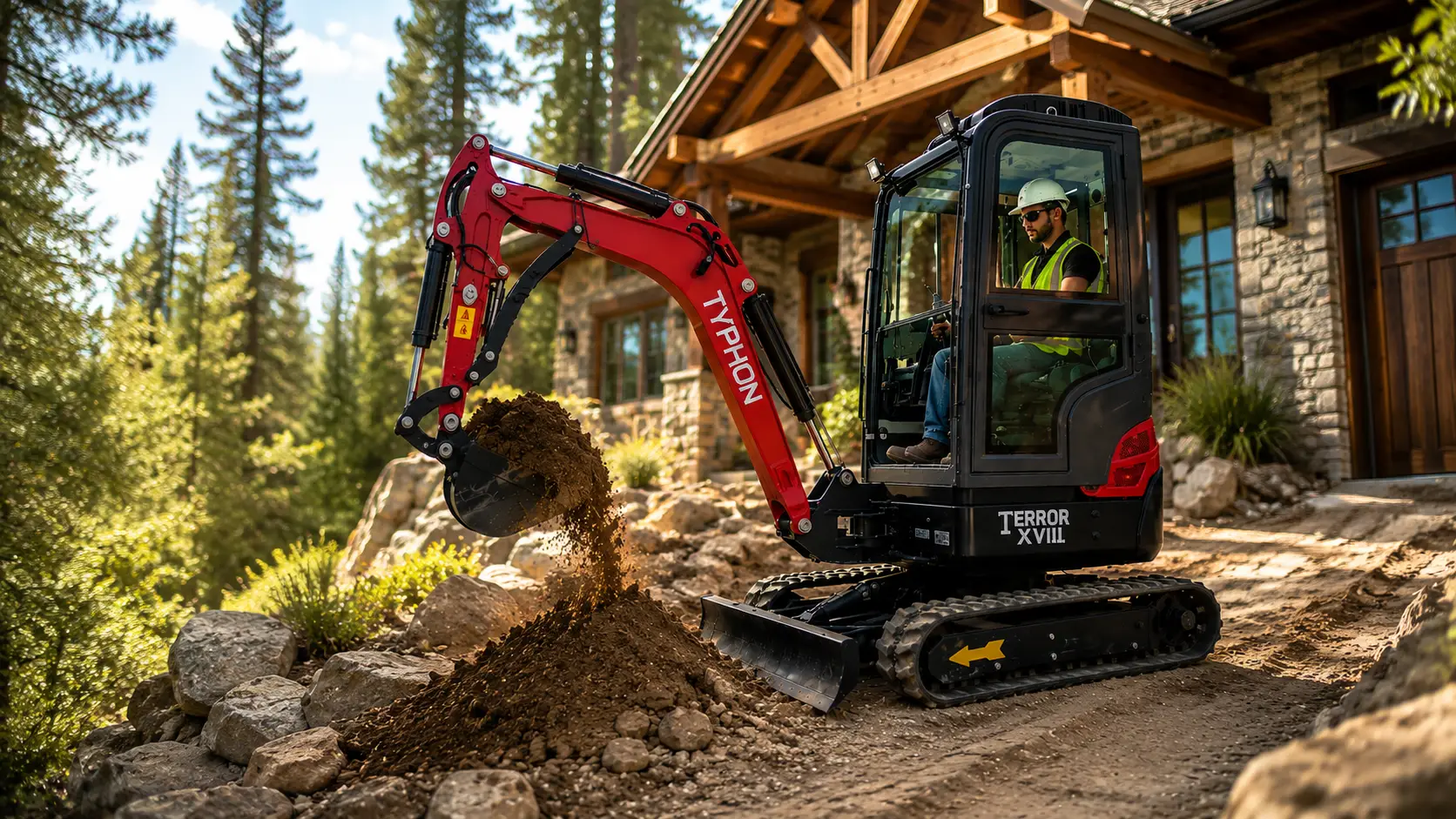
Earthmoving equipment relies entirely on an established center of gravity to generate its massive breakout force. A mini excavator must have a stable, secure connection with the ground to safely pull heavily compacted soil out of a deep trench. The most frequent limitation observed among amateur operators is the failure to properly position the machine before attempting a heavy dig. Digging over the side of the tracks while positioned on a severe incline, or attempting to rip out concrete with the drive sprockets facing the wrong direction, drastically destabilizes the equipment. This improper positioning causes the machine to rock violently, entirely wasting the hydraulic power and creating a severe risk of a rollover accident.
Professional operators solve this underlying challenge by meticulously engineering their digging stance before the bucket ever touches the earth. They always aim to position the machine on the most level ground possible, utilizing the heavy steel backfill blade to create a stable, level pad if necessary. When initiating a heavy trenching operation, the expert ensures the undercarriage is oriented so the front idler wheels face the excavation, while the heavy drive sprockets remain safely at the rear. The operator then lowers the front blade firmly into the dirt to serve as a massive structural anchor. This strategic setup widely distributes the machine’s operating weight and locks the undercarriage firmly against the ground.
Perfecting your machine positioning directly maximizes your digging precision and heavily protects your operational profit margins. A highly stabilized excavator transfers all its hydraulic energy directly into the soil rather than wasting power rocking the cabin back and forth. This unwavering stability allows the operator to cut perfectly straight, highly accurate trenches that require zero manual rework from the ground crew. Securing this optimal level of stability naturally sets the stage for mastering the actual fluid movements of the digging cycle.
Perfecting Digging Technique and Fluid Movement
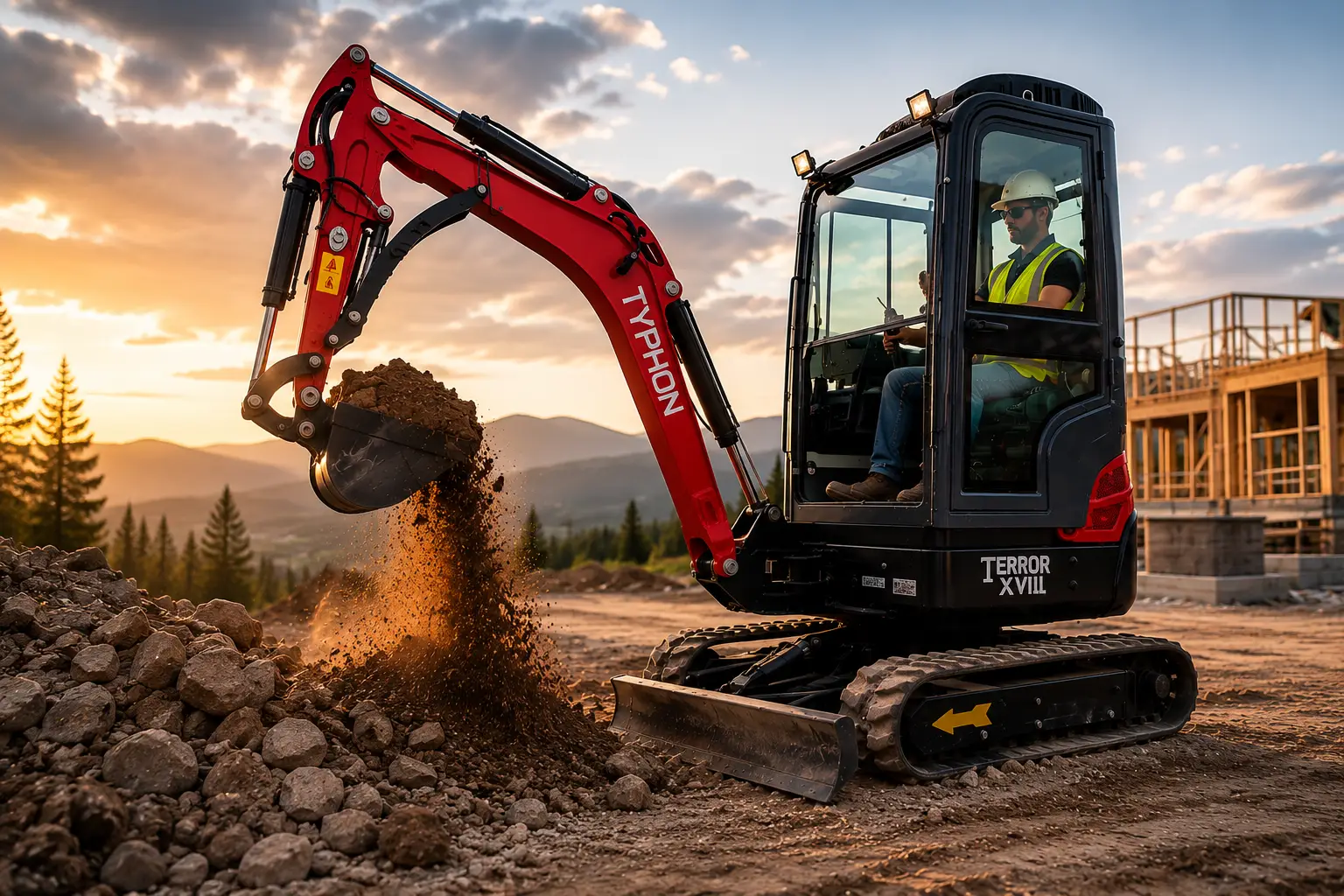
The core function of the mini excavator is efficiently removing material from the earth, a process that demands a highly coordinated mechanical rhythm. Amateurs frequently struggle with the digging cycle, utilizing disjointed, single-function movements to manipulate the boom, stick, and bucket. This erratic approach causes the bucket to violently gouge the soil, stalling the engine and aggressively shaking the entire machine. Relying on jerky control inputs entirely destroys the structural integrity of the trench walls and leaves a jagged, highly uneven floor that fails standard engineering inspections.
The hallmark of a professional operator is the ability to seamlessly blend multiple hydraulic functions simultaneously to create a smooth, sweeping cut. Instead of burying the bucket teeth vertically into the dirt and trying to rip upward, the expert reaches the stick out, points the bucket teeth at a shallow angle, and pulls the stick inward while gently curling the bucket. If the machine encounters heavy resistance, the operator subtly raises the main boom to slice through the material without stalling the hydraulic pump. This fluid coordination allows the bucket to cleanly peel the earth away in layered strips, maintaining constant, manageable resistance throughout the entire stroke.
Executing smooth, blended movements completely transforms your jobsite productivity and drastically reduces equipment wear. This fluid digging technique minimizes severe shock loads on the steel pivot pins and drastically lowers the engine’s daily fuel consumption. For the construction business owner, this level of operating efficiency ensures projects are completed well ahead of schedule, completely eliminating the costly delays associated with repairing poorly cut trenches. As the bucket fills with earth, the operator’s focus must immediately transition to moving the material safely away from the hole.
Executing Safe Swing Control and Load Handling
A loaded bucket suspended at the end of an extended boom represents a massive shift in the mini excavator’s dynamic center of gravity. The ability of the upper house to rotate continuously is an incredible advantage, allowing rapid material placement. However, rotating the machine introduces severe centrifugal forces that can easily cause disaster if mismanaged. Inexperienced operators routinely swing the machine far too aggressively while the heavy bucket is fully extended high in the air. This reckless momentum causes the machine to pitch forward dangerously, threatening to drop the material on ground personnel or tip the excavator directly into the open excavation.
Professional operators eliminate this severe hazard by strictly managing their swing radius and maintaining a highly controlled, low-profile transport posture. When a heavy bucket of dense clay or a large concrete pipe is lifted from the trench, the expert immediately pulls the stick inward, keeping the weight tight and close to the machine’s center of gravity. The operator then initiates the swing smoothly, controlling the rotational speed and easing off the joystick gradually to prevent the load from violently swaying when stopping. Furthermore, the expert constantly scans the surrounding swing radius to ensure ground personnel and nearby structures remain well outside the designated danger zone.
Implementing these disciplined load handling techniques guarantees exceptional jobsite safety and tightly controls your material management. Keeping the load low and close prevents the terrifying tipping scenarios that destroy equipment and drive up expensive insurance liabilities. This controlled movement ensures that loose material remains inside the bucket rather than spilling all over the jobsite, maintaining a pristine working environment. Securing this clean, organized workspace naturally leads into the critical skills required for final site restoration.
Navigating Grading Basics and Trench Finishing
While heavy digging dominates the early phases of a project, the final presentation of the earthwork ultimately dictates the client’s satisfaction. Every trench must be properly backfilled, and the disturbed topsoil must be smoothed out to restore the property. A significant problem arises when operators rely solely on the machine’s front blade to push dirt around haphazardly. Using an excavator like a bulldozer often leaves massive tire ruts, uneven mounds of loose soil, and a chaotic surface that demands hours of exhausting manual labor with hand rakes to fix.
The professional solution involves utilizing the entire geometry of the machine, including the bucket and the boom, to perform highly accurate finish grading. Experts use a technique known as backdragging, where they open the bucket completely, lay the flat heel of the bucket against the dirt, and gently pull the stick backward. By carefully blending the boom height with the stick movement, they pull a perfectly flat, level grade across the disturbed soil. For wider areas, the operator utilizes the front backfill blade with exceptional finesse, moving forward at a slow, consistent walking pace while making micro-adjustments to the blade height to shave off high spots and fill in low depressions.
Mastering these grading techniques delivers a massive return on investment by entirely replacing expensive manual labor. When the machine operator leaves a perfectly smooth, ready-to-seed surface, the ground crew is free to move on to the next revenue-generating task. Delivering a pristine, highly professional finish heavily boosts your company’s brand prestige, making it vastly easier to secure lucrative future contracts. Validating this level of operational excellence requires finishing the workday with the same discipline used to start it.
Enforcing Professional Shutdown Habits
The transition from active earthmoving to concluding the shift reveals the true professionalism of the equipment operator. Construction crews are naturally exhausted at the end of a long day, eager to head home and rest. However, hastily abandoning a mini excavator creates immediate, lingering hazards and guarantees long-term mechanical degradation. Leaving the heavy bucket suspended in the air, failing to let the engine cool down, or leaving the controls active invites a host of catastrophic liabilities. An elevated, unsupported boom can rapidly lose hydraulic pressure overnight, silently dropping the heavy steel bucket and crushing anything parked beneath it.
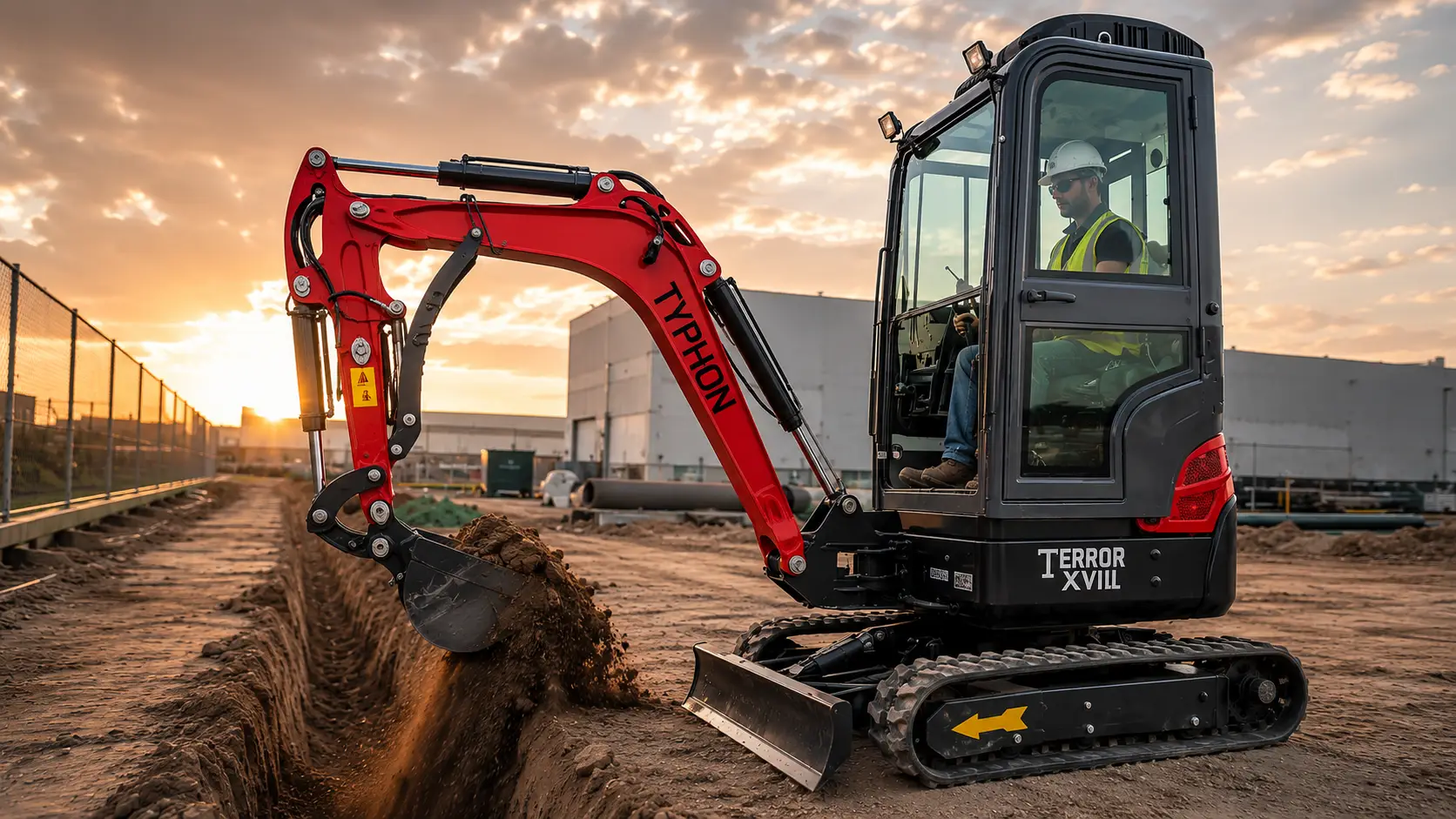
The professional standard mandates a formalized, highly disciplined shutdown protocol before the operator ever steps out of the cabin. The expert operator navigates the machine to a flat, highly stable parking area away from active traffic lanes or deep excavations. They lower the backfill blade and the bucket completely until they rest firmly on solid ground, entirely relieving the hydraulic system of any holding pressure. The operator then allows the turbocharged diesel engine to idle at low RPMs for several minutes, giving the extremely hot turbocharger time to safely dissipate heat while fresh oil continues to circulate. Finally, the operator engages the hydraulic safety lock, removes the key, and cleans any heavy debris from the tracks to prevent it from hardening overnight.
Enforcing this final shutdown verification maximizes your equipment return on investment and ensures flawless execution on the very next shift. By confirming the machine is properly grounded and mechanically secured, you eliminate the threat of sudden hydraulic collapses or engine bearing failures. This uncompromising commitment to process control tightly regulates your maintenance costs, deters site vandalism, and reinforces a culture of safety and reliability among your entire workforce.
Conclusion
Understanding how to operate a mini excavator like a professional is the definitive hallmark of a premier, highly capable construction operation. When contractors abandon the simplistic approach of jerking levers and instead focus on rigorous positioning, fluid hydraulic blending, and strict load management, they unlock the true earning potential of their heavy equipment. The compact excavator is a profound feat of modern engineering, but it requires an educated, methodical operator to deliver its maximum structural value without causing collateral damage.
For construction business owners, site managers, and equipment buyers, committing to these elite operating techniques translates directly into enhanced operational efficiency and dominant local market trust. By investing the time to train yourself and your crew on precise grading mechanics and mandatory shutdown procedures, you completely eliminate costly rework and drastically lower long-term repair liabilities. Commit to these uncompromising best practices on every single project, ensuring your machinery operates flawlessly and your company reputation remains completely unassailable.