
Top Mini Excavator Safety Tips Every Operator Should Know
Compact heavy equipment completely redefines how contractors tackle confined jobsite environments. The mini excavator stands out as an engineering marvel, packing the hydraulic digging power of a massive machine into a footprint small enough to navigate through residential gates and narrow urban alleys. However, this compact stature frequently creates a dangerous illusion of harmlessness. Operators and ground crews often underestimate the sheer kinetic energy these machines generate. Just because a piece of equipment is small does not mean it operates without severe risks. A mini excavator commands thousands of pounds of breakout force, and when operated without strict discipline, it becomes a massive liability that threatens human lives and company survival.
Establishing an uncompromising culture of safety from the moment the key turns is a strategic requirement for any successful construction business owner. When you treat equipment safety as an exact, engineered discipline, you empower your workforce to deliver premium results without exposing your company to devastating accidents or financial ruin. This comprehensive guide details the absolute most critical safety tips every mini excavator operator must know. We will explore essential principles ranging from meticulous pre-operation inspections and site hazard mapping to managing machine stability and enforcing strict communication protocols. By mastering these foundational safety steps, you guarantee superior project outcomes, protect your highly valuable machinery from premature destruction, and establish your business as a trusted, reliable force in the construction industry. The journey to flawless, safe operation always begins long before the first bucket of dirt is ever moved.
Conducting a Rigorous Pre-Operation Inspection
The absolute foundation of heavy equipment safety relies entirely on the mechanical integrity of the machine before it ever enters the active work zone. Every successful shift must begin with a comprehensive understanding of the mini excavator’s physical condition. A compact excavator operates under immense hydraulic pressure and severe mechanical stress, ripping through compacted earth and moving heavy materials in unforgiving environments. The primary problem arises when rushed operators skip their morning walk-around, assuming the machine is perfectly fine simply because it ran without issue the previous afternoon. Ignoring this vital preparatory step allows minor leaks, frayed hydraulic hoses, loose track tension, or damaged safety glass to go completely unnoticed. Once the machine is put under a heavy working load, these minor issues rapidly escalate into catastrophic mechanical failures, potentially spraying high-pressure hydraulic fluid or throwing a track while the machine is balancing near an open trench.
The definitive solution requires implementing a strict, systematic pre-operation inspection protocol at the exact start of every single shift. Operators must physically walk around the entire machine, visually inspecting the engine compartment, checking the engine oil, hydraulic fluid levels, and coolant to ensure all vital systems are properly lubricated and pressurized. The rubber or steel tracks must be examined for proper tension, severe cuts, or embedded debris that could compromise traction and stability. Furthermore, the operator must scrutinize all pivot points on the boom and stick, greasing dry fittings to prevent destructive metal-on-metal friction that weakens the structural steel. Checking the safety interlocks, control neutral positions, and ensuring the cab is free of loose debris ensures the machine will behave exactly as intended the moment the operator takes the controls.

Mapping Site Hazards and Underground Utilities
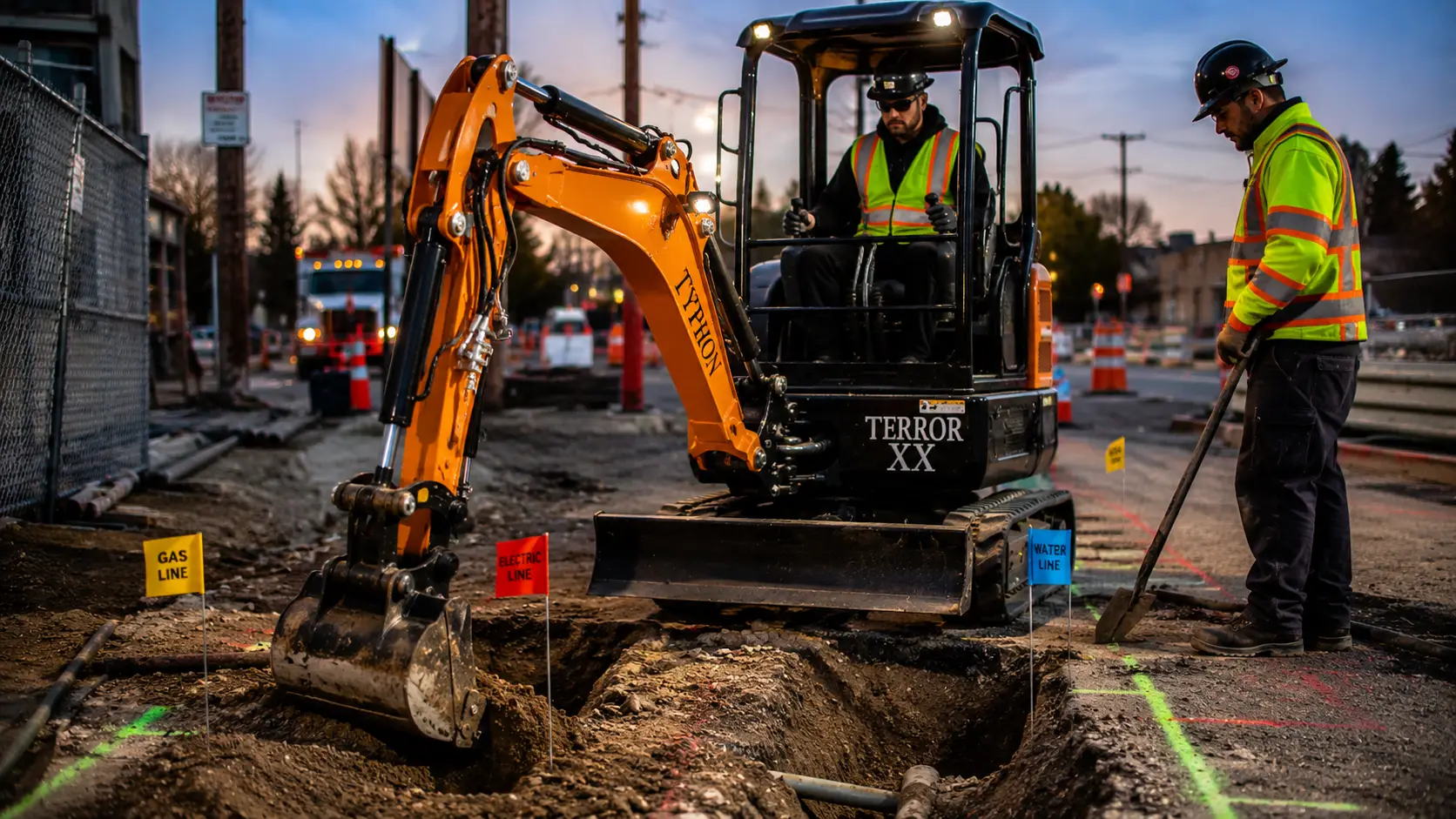
Moving a mini excavator across a chaotic, ever-changing construction site requires constant situational awareness and an advanced understanding of the hidden environment. Unlike working in a controlled factory setting, an outdoor excavation site naturally conceals massive dangers just beneath the topsoil and immediately above the operator’s cabin. The most critical problem operators face is initiating a dig without a complete, verified map of the underground utility infrastructure. When a crew blindly introduces a steel bucket into the earth, they risk striking highly pressurized natural gas lines, lethal high-voltage electrical cables, or critical municipal water mains. Striking an underground utility triggers a massive explosion, electrocution, or severe flooding, instantly putting the operator and the entire ground crew in mortal danger while completely paralyzing the construction project.
Preventing these catastrophic utility strikes requires operators and site supervisors to rigorously assess the terrain before moving any earth. Professional contractors utilize national and local utility marking services long before the equipment arrives on the site, ensuring that every buried hazard is clearly marked with universally recognized color-coded paint and physical flags. Beyond the underground threats, supervisors must also map overhead hazards, specifically noting the height of live power lines and low-hanging tree branches that the excavator’s boom could easily contact during a lifting operation. Ground personnel must actively verify that the marked utility lines align with the planned excavation path, and operators must utilize hand-digging techniques or vacuum excavation when working within the immediate tolerance zone of a known utility.
Implementing strict site hazard mapping and utility verification protocols transforms the safety profile of the project and heavily protects your operational bottom line. By refusing to operate in highly compromised or unverified areas, you completely eliminate the devastating financial and human costs associated with utility strikes. Avoiding these accidents prevents massive municipal fines, keeps your liability insurance premiums under control, and protects your company’s reputation from the negative publicity of causing a neighborhood blackout. A well-assessed jobsite allows the operator to maintain a steady, predictable digging speed without the constant fear of a hidden disaster. Securing this environmental awareness allows the operator to focus entirely on keeping the heavy machine perfectly balanced.
Maintaining Machine Stability on Uneven Terrain
Operating a mini excavator safely relies deeply on the operator’s understanding of physics, gravity, and the machine’s dynamic center of balance. A compact excavator features a relatively narrow undercarriage designed to fit into tight spaces, which inherently limits its lateral footprint. A major limitation for beginners and rushed operators is the dangerous habit of positioning the machine incorrectly while working on slopes, deep ruts, or unexpectedly soft soil. When an operator drives a loaded machine sideways across a steep incline or attempts to dig heavy clay while positioned parallel to a trench, the center of gravity shifts dramatically beyond the width of the tracks. This lateral imbalance inevitably leads to a rapid, terrifying rollover event, violently throwing the operator around the cabin and destroying the equipment.
Preventing rollover accidents requires operators to rigorously respect the machine’s physical limits and proactively manage their track positioning. When navigating slopes or positioning the machine for a heavy dig, operators must adhere strictly to the rule of always keeping the tracks pointed directly up or down the incline, never working sideways across the face of a hill. The heavy backfill blade should consistently be positioned on the downhill side or firmly planted against the ground to act as a stabilizing anchor that widens the machine’s effective footprint. Furthermore, operators must keep the boom centered and the bucket as low to the ground as possible while traveling, preventing the swinging weight of the upper structure from acting as a highly destabilizing pendulum.
Adhering strictly to terrain management and stability protocols guarantees exceptional jobsite safety and directly protects the contractor’s profit margins. A machine positioned correctly remains incredibly stable, easily absorbing ground shocks and heavy breakout forces without pitching or tipping. This absolute stability prevents catastrophic accidents that destroy expensive capital assets and cause severe human injuries, allowing your crews to maintain a highly productive, confident operational rhythm. By eliminating the risk of tip-overs, you protect both the operator and the structural integrity of the machine’s rotation bearing. With the machine firmly anchored to the ground, the operator must strictly manage the movement of the upper house.
Managing the Swing Radius and Jobsite Communication
A defining feature of the mini excavator is its ability to rotate its upper house a full three hundred and sixty degrees, allowing the operator to dig in front of the machine and dump material directly behind it. However, this continuous rotation creates a highly hazardous zone around the entire perimeter of the machine. The primary liability arises when roller operators execute erratic, rapid swings while ground personnel or other machinery operate closely within the swing radius. Even machines marketed as zero-tail-swing models possess a front boom and bucket that swing forcefully through the air. If an operator swings the heavy steel bucket blindly into a blind spot, they can easily crush a worker against a foundation wall, tear the side off a dump truck, or violently strike an existing structure.
Eliminating these severe strike hazards requires operators to execute highly structured, disciplined movements and rely on clear communication protocols. The industry standard mandates that the swing radius of an active excavator must be treated as a strict exclusion zone, completely off-limits to unauthorized foot traffic. If a worker must enter the zone to measure a trench or guide a suspended load, they must establish direct, sustained eye contact with the operator and wait for the operator to ground the bucket and completely remove their hands from the joysticks. Professional crews utilize highly standardized hand signals or dedicated two-way radios to ensure the operator always knows exactly where the ground crew is standing before initiating a rotational swing.
Implementing these precise communication patterns dramatically improves jobsite safety and significantly boosts overall productivity. Clear, standardized communication guarantees that the operator can work quickly and confidently without constantly stopping to search for missing ground workers. A structured, predictable approach to swinging the machine prevents devastating crushing injuries and completely eliminates the thousands of dollars in property damage caused by a rogue bucket striking a brand-new concrete wall. Ensuring absolute spatial awareness empowers the crew to operate seamlessly as a synchronized team. This heightened awareness is especially critical when the machine transitions from digging dirt to acting as a heavy lifting crane.
Executing Safe Load Handling and Lifting Practices
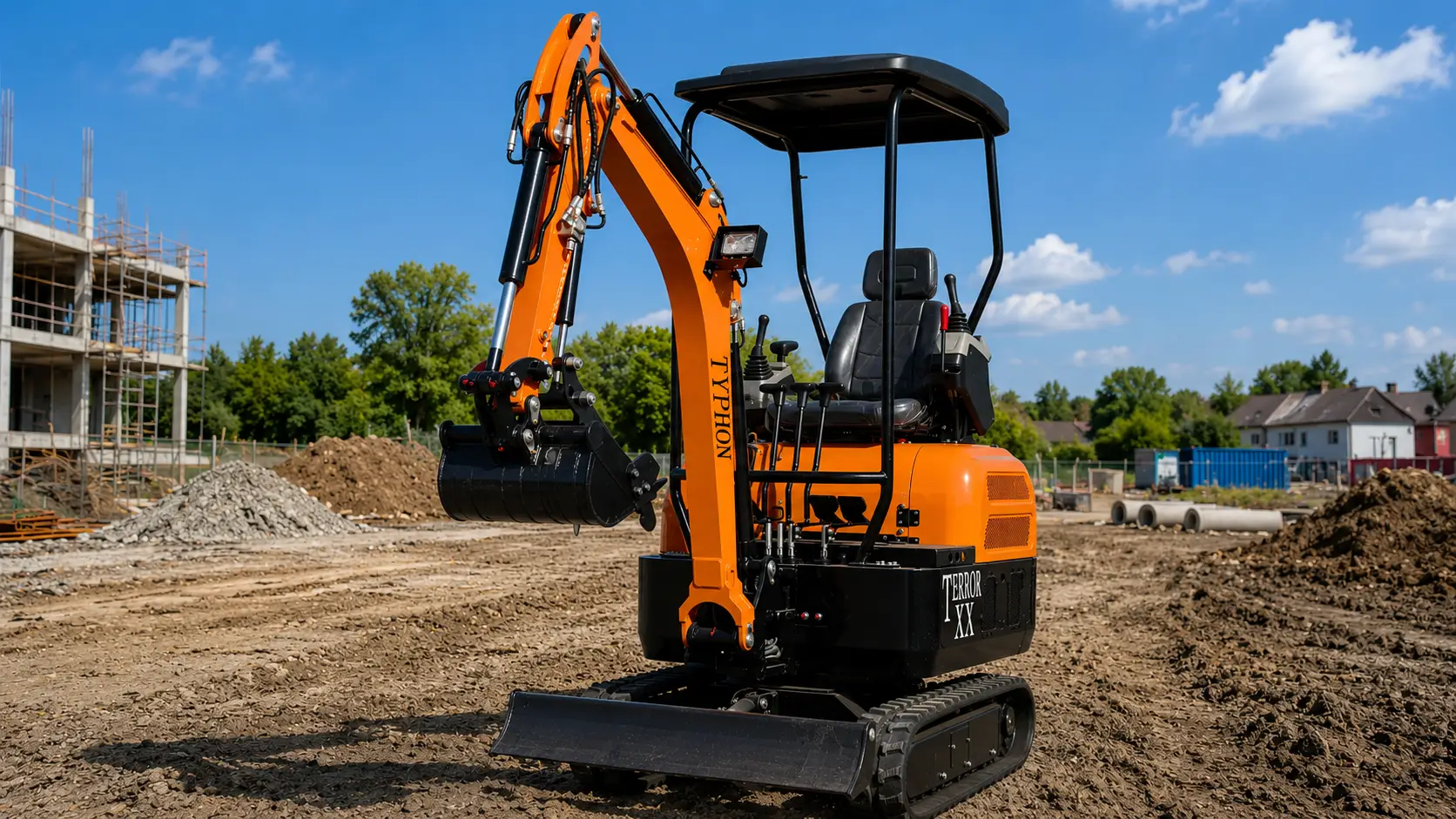
The true value of a mini excavator extends far beyond digging trenches, as these machines are frequently utilized to lift, carry, and precisely place heavy materials like concrete pipes, massive boulders, or heavy trench boxes. However, the immense hydraulic lifting capacity of these machines often exceeds their physical tipping load if the operator does not respect the laws of physics. A major limitation for operators is the dangerous habit of attempting to lift heavy loads that exceed the machine’s engineered lifting charts or improperly rigging the material to the bucket. Elevating a heavy, swinging load high in the air raises the machine’s center of gravity drastically. If the load shifts suddenly or the operator swings too quickly with an elevated load, the machine will violently tip forward, dropping the heavy material directly onto the ground crew.
The professional standard requires strict adherence to safe load handling, utilizing certified rigging, and executing low-profile transport techniques. Operators must understand how to read and interpret the specific lifting capacity charts located inside the cab, ensuring they never attempt to lift materials that exceed this engineered limit at a given reach. All loads must be secured using certified lifting chains or heavy-duty synthetic slings attached directly to the manufacturer-approved lifting eye on the boom, never simply looped precariously over the bucket teeth. When transporting a load from a stockpile to the installation area, the operator must keep the suspended material as close to the ground as physically possible to maintain a low center of gravity.
Adhering strictly to safe lifting practices guarantees exceptional jobsite safety and directly protects the structural integrity of the machine. A mini excavator carrying a properly rigged load low to the ground remains highly stable, easily navigating uneven terrain without threatening to topple over. This stability prevents expensive material drops that destroy costly supplies and require highly expensive replacement orders, keeping your project budget strictly intact. By entirely eliminating the risk of lifting-related tip-overs, you protect your crew from crushing hazards and prolong the life of the machine’s hydraulic cylinders. When the heavy lifting and earthmoving are finally complete, the operator must properly secure the machine.
Enforcing Proper Shutdown and Securing Procedures
The transition from active, heavy earthmoving to the end of the shift requires a deliberate, engineered approach to securing the equipment for the night. Construction crews are naturally eager to head home after a long, exhausting day in the elements, frequently rushing the final moments of their work. However, hastily abandoning a mini excavator creates immediate, lingering hazards and guarantees long-term mechanical degradation. Leaving the heavy bucket suspended in the air, failing to let a turbocharged engine cool, or leaving the master electrical switch engaged invites a host of catastrophic liabilities. An elevated, unsupported boom can rapidly lose hydraulic pressure overnight, silently dropping the heavy steel bucket and crushing anything parked beneath it.
The solution is implementing a mandatory, formalized shutdown protocol before the operator ever steps out of the cabin. The operator must navigate the machine to a flat, highly stable parking area far away from active traffic lanes, deep excavations, or environmentally sensitive waterways. The backfill blade and the bucket must be lowered completely until they rest firmly on the solid ground, entirely relieving the hydraulic system of any holding pressure. For machines equipped with modern turbocharged diesel engines, the operator must allow the engine to idle at low RPMs for several minutes before turning the key. This critical cooldown period allows the extremely hot turbocharger to safely dissipate heat while fresh oil continues to circulate, preventing the oil from baking onto the internal bearings. Finally, the operator must remove the key, lock the cab doors, and engage all battery disconnect switches to prevent unauthorized use or vandalism.
Enforcing this final shutdown verification maximizes your equipment return on investment and ensures flawless execution on the very next shift. By confirming the machine is properly grounded and mechanically secured, you eliminate the threat of sudden hydraulic collapses or dead batteries delaying the critical morning start. This commitment to process control tightly regulates your maintenance costs, heavily deters site theft, and reinforces an uncompromising culture of safety and reliability among your entire workforce.
Conclusion
Understanding and executing these top safety tips for mini excavators is a mandatory requirement for any contractor serious about scaling their operations safely. When business owners abandon the dangerous assumption that compact machines are harmless toys and instead enforce rigorous pre-operation inspections, stable track positioning, and calculated load handling, they deliver exceptional infrastructure improvements without ever compromising human life. The mini excavator is a profound feat of modern hydraulic engineering, but it absolutely requires an educated, disciplined, and methodical operator to unlock its maximum value while protecting the surrounding work zone.
For construction business owners, site supervisors, and equipment buyers, committing to these safe operating techniques translates directly into enhanced operational efficiency and dominant local market trust. By investing the necessary time to train your workforce on proper site hazard mapping, communication protocols, and mandatory shutdown procedures, you completely eliminate costly accidents and drastically lower your long-term liability. Evaluate your current training protocols, upgrade your jobsite management strategies, and commit to delivering the uncompromising safety and reliability that sets your business far apart from the competition.