
The Evolution of the Modern Forklift
A forklift is far more than a simple lifting machine; it is the heartbeat of the modern supply chain. Traditionally known as a forklift truck or a lift truck, this powered industrial vehicle is designed specifically to lift and move materials over short distances. Whether it is a pallet of consumer goods in a retail distribution center or raw steel in a manufacturing plant, the forklift provides the mechanical leverage necessary to optimize vertical and horizontal space.
In the context of warehouse logistics, the introduction of specialized forklift machinery revolutionized how inventory is managed. By allowing for high-density racking and rapid pallet transportation, businesses have been able to scale their throughput without exponentially increasing their physical footprint. Today, the term "forklift" encompasses a wide variety of configurations—each tailored to specific industrial lifting equipment needs.
Material handling equipment has shifted toward smarter, more sustainable designs. Modern industrial forklifts now integrate advanced telematics, load-sensing hydraulics, and ergonomic operator cabins that prioritize visibility and comfort. These advancements are not just about convenience; they are about warehouse productivity. Every second saved during a lifting cycle translates to increased revenue and lower overhead costs for logistics providers.
Why are forklifts essential? In high-volume environments, manual lifting is not only inefficient but creates significant safety risks. A forklift for sale represents a long-term investment in workplace safety and industrial workflow optimization. By delegating heavy lifting to robust machinery, operators can focus on inventory accuracy and shipping operations, ensuring that the logistics chain remains unbroken.
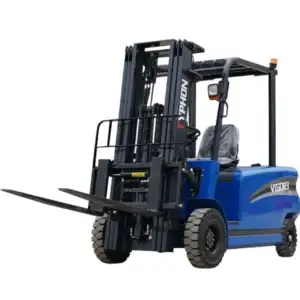
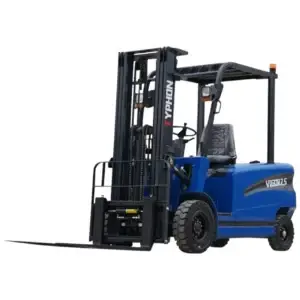
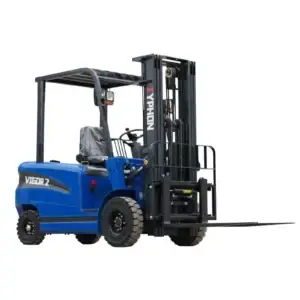
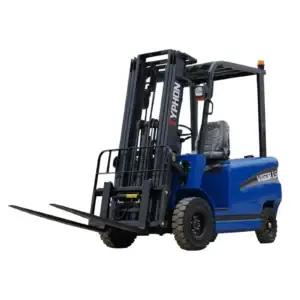
Forklift
Unlock peak operational efficiency with our premium range of industrial forklifts. From warehouse logistics to heavy-duty material handling, our forklift trucks are engineered for durability, precision lifting, and safety in the most demanding industrial environments.
Forklift Applications & Versatility
From indoor storage to outdoor shipping yards, the application of warehouse lifting equipment is vast and varied.
Warehouse Operations
The primary domain of the warehouse forklift. These machines navigate narrow aisles to retrieve pallets, stack inventory, and organize goods for rapid distribution.
Distribution Centers
High-speed logistics environments require forklifts that can handle 24/7 cross-docking operations, moving goods from receiving docks directly to outgoing shipping trailers.
Retail Logistics
Compact and often electric, retail forklifts work behind the scenes in "big box" stores, managing heavy stock without creating noise or emissions that disturb customers.
Manufacturing Facilities
Industrial forklifts transport raw materials to production lines and remove finished products for storage, acting as the critical link in the manufacturing workflow.
Shipping Yards
Large-scale diesel forklifts dominate outdoor shipping yards, handling heavy shipping containers and weatherproofed industrial crates in varying terrains.
Industrial Storage
For facilities storing heavy components like engines or machinery parts, heavy-duty forklifts provide the necessary counterbalance and mast strength for safe movement.
Construction Sites
Rough terrain forklifts handle construction material handling, moving lumber, bricks, and steel across unpaved ground to support building crews.
Loading Dock Operations
The interface between the warehouse and the world. Forklifts here must be agile enough to enter and exit trailers quickly while maintaining stability.
Why Forklifts are Critical to Your Success
Lifting Efficiency
Automate the movement of heavy loads up to several tons, allowing for vertical storage that maximizes warehouse cubic footage.
Warehouse Productivity
Reduce cycle times for picking and packing operations, enabling faster shipping and more competitive fulfillment speeds.
Compact Maneuverability
Specially designed chassis allow for tight turning radiuses, meaning you can fit more racking into your existing warehouse space.
Operator Visibility
Modern masts are designed with "clear-view" technology, ensuring operators can see their forks and the surrounding environment at all times.
Industrial Durability
Forged steel components and heavy-duty counterweights ensure that your machinery can handle the rigors of multi-shift industrial use.
Workflow Optimization
By integrating forklifts into your ERP or WMS systems, you can track equipment usage and optimize paths for faster inventory movement.
Forklift Types & Industrial Capabilities
Choosing the right material handling equipment requires an understanding of power sources and environmental constraints.
Electric Forklifts
The gold standard for indoor warehouse material handling. Electric forklifts are quiet, produce zero emissions, and have a lower total cost of ownership over time. They are ideal for food and pharmaceutical warehouses where air quality is paramount. Advancements in Lithium-ion technology now allow for "opportunity charging," keeping the fleet running through long shifts.
Diesel Forklifts
When it comes to raw power and outdoor performance, diesel forklifts are unmatched. These heavy-duty machines provide high torque for lifting massive loads and are perfectly suited for construction sites, lumber yards, and shipping ports where refueling speed is more critical than noise levels.
Warehouse Reach Trucks
A specialized warehouse forklift designed for narrow-aisle work. Reach trucks feature forks that extend forward, allowing them to reach into double-deep racking. Their compact design makes them essential for high-volume logistics hubs aiming to maximize every square inch of space.
Industrial Forklift Trucks (IC)
Internal Combustion forklifts using LPG (Liquid Propane Gas) offer a versatile middle ground. They can be used both indoors and outdoors, providing more power than small electrics with the ability to simply swap a tank to continue working without waiting for a recharge.
Maximizing Warehouse Efficiency & Performance
Performance in the industrial material handling sector is measured by lifting capacity and uptime. Lifting capacity is determined by the machine's load center—the distance from the face of the forks to the center of gravity of the load. Understanding these physics is essential for forklift operation safety. Our machinery is designed with robust safety systems that prevent tipping and load loss.
Energy efficiency has become a cornerstone of logistics. Whether it is a cleaner-burning diesel engine or a high-voltage electric motor, modern forklifts reduce the "cost per pallet moved." This operational efficiency directly impacts the bottom line of any high-throughput facility.
Maintenance and reliability are the silent partners of productivity. We prioritize "serviceability" in our forklift machinery. Easy access to the engine compartment, long service intervals, and a global network of spare parts ensure that your fleet stays on the floor, not in the repair shop. When a forklift goes down, the entire warehouse workflow slows—reliability is a feature, not an option.
Who Relies on Industrial Forklift Solutions?
Warehouse Managers
Professionals who need reliable fleets to meet daily picking quotas and maintain inventory accuracy across massive racking systems.
Logistics Companies
Global 3PL providers who require versatile forklift machinery to handle a wide range of client goods from consumer electronics to heavy parts.
Industrial Manufacturers
Production facilities that use forklifts to feed assembly lines and move finished machinery into shipping bays for global transport.
Construction Suppliers
Suppliers of lumber, stone, and heavy steel who rely on rugged, all-terrain forklifts to load trucks and move stock in unpaved yards.
Forklift & Material Handling FAQ
A forklift is primarily used to lift, transport, and stack heavy materials. They are indispensable in warehouses for moving pallets, in manufacturing for transporting raw materials, and in shipping yards for loading containers.
Electric forklifts are powered by batteries, making them quiet and emission-free—perfect for indoor use. Diesel forklifts offer more power and are better suited for outdoor, heavy-duty applications where they can be quickly refueled.
Forklifts allow for vertical storage, significantly increasing the inventory capacity of a building. They also speed up the process of loading and unloading trucks, reducing the time goods spend in transit.
The size depends on your heaviest load and your aisle width. You should select a forklift with a lifting capacity that exceeds your heaviest expected load and a turning radius that fits comfortably within your narrowest aisles.
The most forklift-intensive industries include logistics (3PL), retail distribution, manufacturing, food and beverage, pharmaceuticals, and construction supply.
Training is critical for safety and efficiency. Certified operators are less likely to damage goods or equipment and can operate the machinery more smoothly, leading to faster workflow cycles.
For electric forklifts, battery watering and charging cycles are vital. For IC models, engine oil and hydraulic fluid checks are key. For all forklifts, regular fork inspection and tire maintenance are essential for safety.
A single forklift operator can move the weight equivalent to dozens of manual workers in a fraction of the time, allowing your staff to be redeployed to higher-value tasks like quality control or management.
Performance is affected by the weight of the load, the height of the lift, and the load center. As a load is lifted higher, the forklift's capacity typically decreases to maintain stability.
Without forklifts, modern "high-bay" warehouses could not exist. They enable the "vertical warehouse" model, allowing businesses to store massive amounts of goods in a smaller, more cost-effective footprint.
Buyers should compare lifting capacity, mast height, power source (Electric vs LPG/Diesel), ergonomic features, warranty terms, and the availability of local service and parts.
Forklifts bridge the gap between storage and transport. By enabling rapid cross-docking and truck loading, they ensure that the logistics chain moves without bottlenecks, improving overall customer satisfaction.