
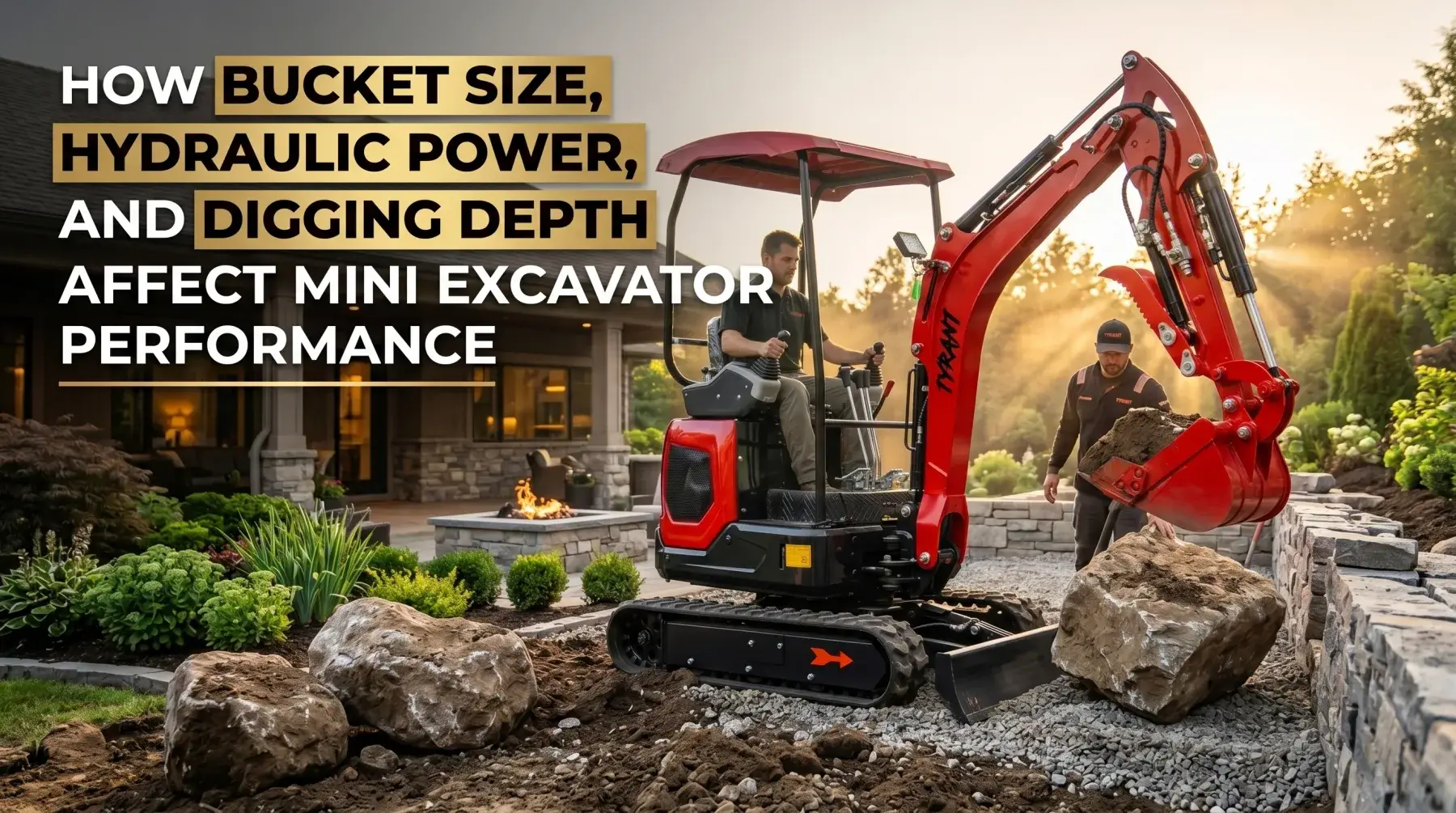
How Bucket Size, Hydraulic Power, and Digging Depth Affect Mini Excavator Performance
A mini excavator can dig a trench, set a foundation, clear brush, or load a truck before lunch. But put the wrong machine on the wrong job, and that same versatility turns into wasted hours and frustrated crews. The difference usually comes down to three things: how big the bucket is, how much hydraulic muscle the machine carries, and how deep it can reach.
Get those three factors right, and a compact machine punches far above its weight. Get them wrong, and you’ll be renting a second unit by Friday. Let’s break down exactly how each one shapes real-world performance, and how to match the specs to your jobsite.
Understanding these three core specifications makes it much easier to compare mini excavators beyond their advertised horsepower or operating weight. Whether you’re working on landscaping projects, utility installations, foundation excavation, or site preparation, choosing the right combination of bucket size, hydraulic performance, and digging depth helps improve productivity, reduce operating costs, and ensure the machine is equipped for the work you do most often.
Bucket Size: The First Lever of Productivity
The bucket is where every digging job begins. Its width and capacity determine how much material you move with each pass, how efficiently you work in different soil conditions, and how quickly you complete excavation tasks. Choosing the right bucket size has a direct impact on productivity and overall machine performance.
A bucket that is properly matched to the mini excavator and the material being handled improves digging efficiency, reduces cycle times, and places less strain on the hydraulic system. Whether you’re trenching, grading, landscaping, or handling bulk material, the correct bucket helps maximize performance while minimizing unnecessary wear.
Selecting the right bucket size also increases the versatility of your mini excavator. By matching bucket dimensions to your typical applications, you can improve fuel efficiency, reduce operating costs, and complete a wider range of projects with greater confidence and productivity.
How Width and Capacity Shape the Job
Bucket width is a trade-off, not a “bigger is better” choice. A narrow bucket (around 12 inches) is built for precision. Think utility trenches, footing drains, and clean cable runs. It cuts a tight line and keeps spoil to a minimum.
A wide bucket (24 inches or more) is ideal for grading, cleanup, and moving large volumes of material. It carries more dirt with each scoop, smooths surfaces efficiently, and speeds up backfilling on larger projects. However, a wider bucket also requires greater breakout force to fill effectively in compacted or heavy soil. Matching the bucket width to both the job and a mini excavator with sufficient hydraulic power and digging force helps maintain productivity while preventing the machine from losing performance under load.
Capacity matters just as much as width, and the type of material decides the right call. Loose soil and sand reward a larger bucket, since you fill it fast and move volume. Clay and compacted dirt call for a mid-size bucket that balances fill and breakout force. Rock and rubble are best handled with a smaller, reinforced bucket that protects your cylinders and keeps cycle times steady.
Why Cycle Time Ties It Together
Cycle time is the full loop: dig, lift, swing, dump, return. A bucket that’s correctly sized for the load keeps that loop tight and consistent. Oversize it, and every cycle drags. Understand it, and you add passes you didn’t need.
Overloading a bucket in heavy material doesn’t speed things up either. It strains the hydraulics, slows your swing, and burns fuel. Matching capacity to material is how smart operators protect both productivity and the machine.
The goal is rhythm. A machine that fills cleanly, swings smoothly, and dumps fully on every pass will out-produce a bigger, mismatched setup all day long.
Hydraulic Power: The Engine Behind Every Attachment
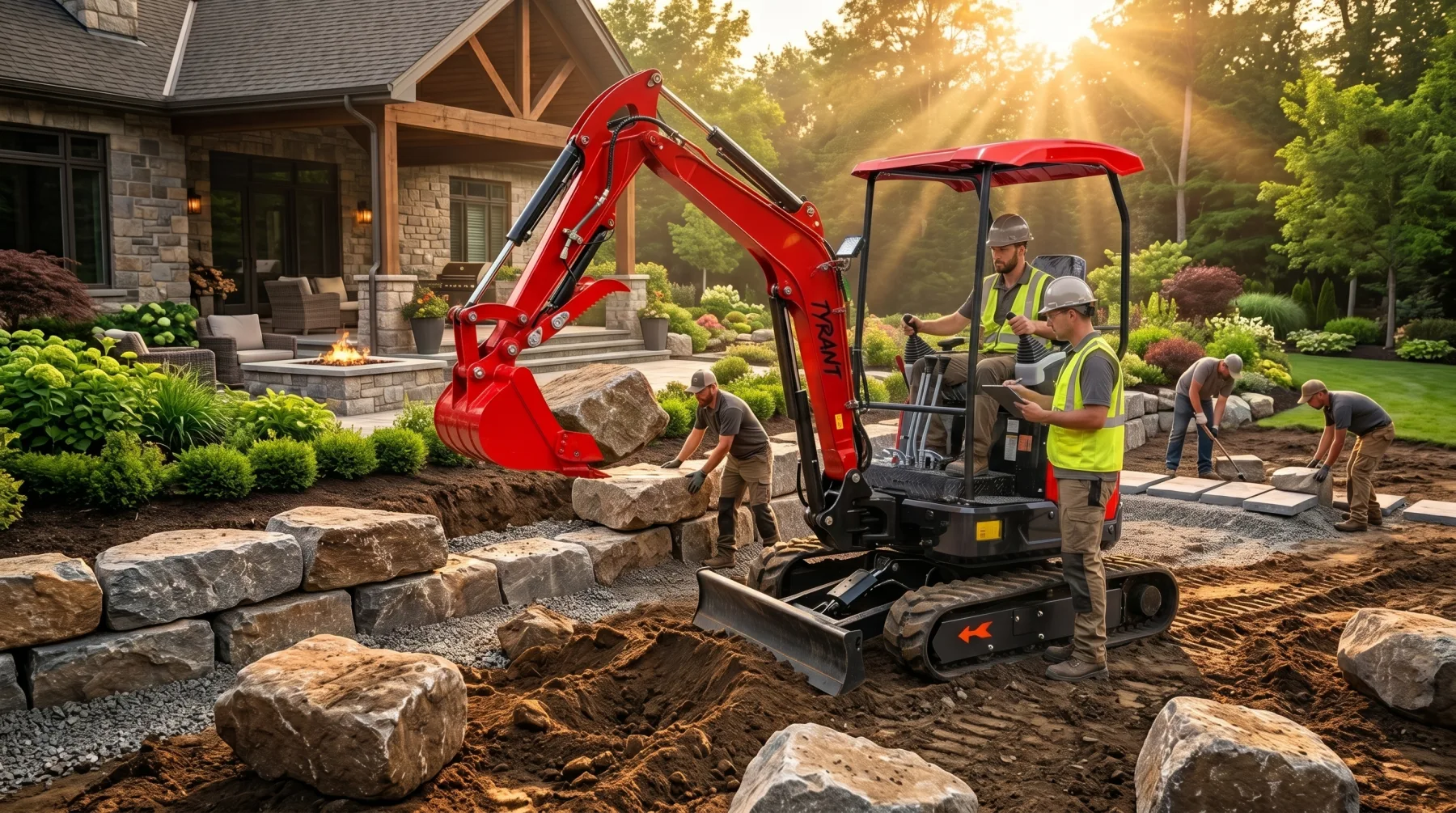
If the bucket is the hands, hydraulics are the muscle behind every attachment a mini excavator uses. According to the National Fluid Power Association (NFPA), hydraulic systems generate and transmit the power needed to perform heavy-duty work across construction equipment. Two key specifications tell most of the story: GPM (gallons per minute), which measures hydraulic flow, and PSI (pounds per square inch), which measures hydraulic pressure. Together, these numbers determine how efficiently the machine powers attachments. Hydraulic flow influences operating speed, while hydraulic pressure delivers the force required for demanding tasks such as trenching, drilling, and breaking concrete. Choosing the right balance of both helps maximize attachment performance and overall productivity.
Hydraulic flow controls how quickly attachments operate, while hydraulic pressure provides the force needed to perform demanding tasks. A well-balanced hydraulic system delivers smooth, consistent performance whether you’re using an auger, hydraulic breaker, grapple, or trenching attachment.
Matching hydraulic power to the attachments you use most helps maximize productivity and expands the types of jobs your mini excavator can handle. A machine with the right hydraulic capacity works more efficiently, reduces downtime, and provides dependable performance across a wide range of applications.
What GPM and PSI Mean on the Jobsite
GPM measures hydraulic flow and determines how quickly an attachment operates. PSI measures hydraulic pressure and determines how much force the attachment can apply while digging, drilling, or lifting. Both specifications are equally important because high flow without sufficient pressure limits digging power, while high pressure without adequate flow slows attachment performance. A balanced hydraulic system delivers the speed, force, and efficiency needed to maximize productivity across a wide range of attachments.
Picture trenching through a hardpan for a water line. Low hydraulic pressure means the bucket stalls, the machine rocks, and you chip away inches at a time. Strong pressure lets the bucket bite, curl, and lift in one fluid motion. A diesel-powered machine with steady hydraulic output keeps that digging force consistent, even when the ground fights back.
A high-flow machine also runs augers, breakers, and hydraulic thumbs at full speed, while strong pressure breaks compacted clay or pries rock loose. The two specs together decide how confidently you can tackle tough material.
Why Hydraulics Decide Your Attachment Range
Here’s where hydraulics really earn their keep. A machine with strong, well-matched flow can run a wide attachment lineup. Augers, thumbs, grapples, and breakers all draw on hydraulic capacity, so a weak system limits what you can bolt on.
If you plan to switch attachments often, hydraulic capacity isn’t a nice-to-have. It’s the feature that decides whether your machine is a one-trick digger or a true jobsite multitool. For crews building a fleet, balancing these specs is central to choosing the right compact equipment solutions.
When in doubt, lean toward more hydraulic capability than today’s job demands. The extra headroom keeps every attachment performing at its best and protects your options as your work grows.
Digging Depth: Matching the Machine to the Job
Maximum digging depth is one of the most important specifications when choosing a mini excavator because it determines the types of projects the machine can handle. It measures the vertical distance from ground level to the deepest point the bucket can reach when the boom, arm, and bucket are fully extended.
Matching digging depth to your typical workload helps improve efficiency and reduces the need for frequent repositioning or larger equipment. A machine with sufficient reach completes trenches, footings, and drainage work more smoothly while maintaining consistent productivity throughout the job.
Before selecting a model, consider the depth requirements of the projects you perform most often. Choosing a mini excavator with the right digging depth gives you greater versatility, improves jobsite efficiency, and allows you to take on a wider range of excavation tasks with confidence.
Why Depth Defines Jobsite Suitability
Every excavation project has a required digging depth, and choosing a machine that falls short can quickly slow progress or prevent the job from being completed efficiently. Trenching for drainage, irrigation, electrical conduit, and communication lines often requires 6 to 10 feet of reach, while foundation work demands consistent depth and stable digging throughout the excavation.
Utility installation frequently goes even deeper. Water and sewer lines are typically buried below most surface work, and local building codes set minimum trench depths that must be met. If your machine can’t reach those depths, you’ll likely need to rent larger equipment or spend extra time finding another solution.
The smartest approach is to buy for your deepest realistic job, not your average one. A mini excavator that comfortably reaches your maximum depth requirement will handle shallower tasks with ease, giving you greater flexibility, higher productivity, and fewer equipment limitations as your projects grow.
Why Depth Means Nothing Without Stability
Reaching deep is only half the equation. A machine has to stay planted while it does it, and that comes down to operating weight and track design.
A heavier machine holds its footing at full reach, so the bucket keeps cutting without the rear end lifting. A lighter machine may hit its depth number on paper but feel tippy in the trench, which slows everyone down and adds risk.
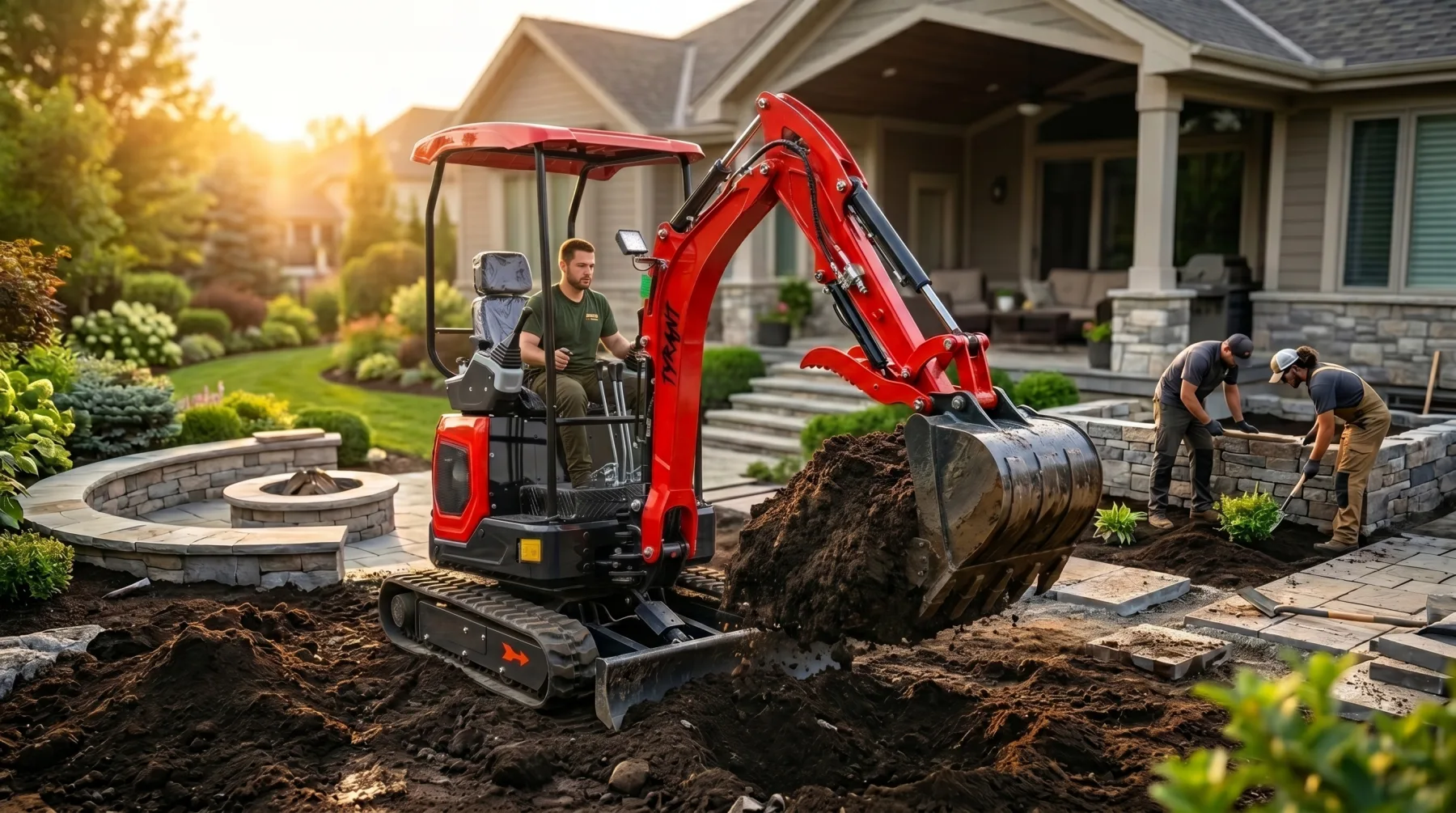
When you compare models, read depth and stability together. The best digging depth is the one your machine can use safely, cut after cut, without losing its grip on the ground.
Conclusion
Choosing a mini excavator isn’t just about buying another piece of equipment. It’s about investing in a machine that helps you complete jobs faster, work more efficiently, and confidently take on new opportunities. The right model delivers the digging power, hydraulic performance, and versatility needed to keep projects moving while reducing downtime and operating costs over the long run.
Whether you’re installing utilities, shaping landscapes, preparing building sites, or handling everyday property maintenance, matching the machine to your workload makes all the difference. Comparing key specifications such as operating weight, digging depth, breakout force, hydraulic flow, lift capacity, and attachment compatibility gives you a clearer picture of how each model will perform in real-world conditions, not just on a specification sheet.
Take the time to evaluate the features that matter most for your applications, jobsite conditions, and future growth. The best mini excavator is the one that delivers consistent productivity today while remaining capable enough to meet tomorrow’s challenges. Explore the available models, compare their capabilities side by side, and invest in equipment that keeps your business productive, profitable, and ready for every project ahead.