
The Ultimate Mini Excavator Maintenance Checklist for a Longer Lifespan
Heavy equipment represents a massive capital investment for any construction business. When contractors purchase a mini excavator, they expect that machine to perform flawlessly under brutal jobsite conditions, day after day. A reliable fleet forms the backbone of a profitable contracting company, directly influencing your ability to meet strict deadlines and satisfy demanding clients. However, the ultimate longevity and performance of your machinery are never guaranteed straight off the assembly line. Achieving a maximum return on your investment requires treating preventative care as an exact, uncompromising discipline. This comprehensive mini excavator maintenance checklist details the critical protocols required to dramatically extend the lifespan of your compact equipment. We will explore essential practices ranging from rigorous daily inspections and undercarriage care to hydraulic system protection and cooling system upkeep. By mastering these maintenance fundamentals, you will keep your fleet running smoothly, eliminate devastating repair costs, and establish your business as a trusted, reliable force in the construction industry.
Executing Rigorous Daily Inspections and Fluid Checks
The absolute foundation of heavy equipment longevity relies entirely on identifying minor mechanical issues before the machine ever enters the active work zone. Every successful construction shift must begin with a comprehensive understanding of the mini excavator’s physical condition. A compact excavator operates under immense hydraulic pressure and severe mechanical stress, ripping through compacted earth and moving heavy materials. The primary problem arises when rushed operators skip their morning walk-around, assuming the machine is perfectly fine simply because it ran without issue the previous afternoon. Ignoring this vital preparatory step allows minor leaks, frayed hydraulic hoses, or critically low engine oil to go completely unnoticed. Once the machine is put under a heavy working load, these minor issues rapidly escalate into catastrophic mechanical failures, completely destroying an engine or frying a hydraulic pump.
The definitive solution requires implementing a strict, systematic daily inspection protocol at the exact start of every single shift. Operators must physically walk around the entire machine, visually inspecting the engine compartment, checking the engine oil, hydraulic fluid levels, and engine coolant to ensure all vital systems are properly lubricated and pressurized. Beyond the engine bay, operators must scrutinize the boom, stick, and bucket for fresh stress fractures, loose hardware, or leaking hydraulic cylinders. Checking the safety interlocks, control neutral positions, and ensuring the air filters are clear of severe debris ensures the machine will behave exactly as intended the moment the operator takes the controls. Implementing a written or digital checklist holds the operator accountable and creates a permanent record of the machine’s daily health.
Committing to rigorous daily inspections delivers an immediate and lasting impact on your operational efficiency and overall equipment protection. Identifying a critically low fluid level before the engine turns over saves your company from a catastrophic engine replacement that could cost tens of thousands of dollars. This proactive maintenance approach drastically reduces your total cost of ownership, keeping your fleet operational and far away from the repair shop. When operators know their machine is perfectly lubricated and mechanically sound, they work with absolute confidence, setting the perfect stage for evaluating the ground interface below.

Mastering Undercarriage Care and Track Tension
A mini excavator relies completely on its undercarriage to navigate chaotic terrain, distribute its heavy operating weight, and anchor itself during aggressive digging operations. The tracks, idlers, sprockets, and rollers endure relentless abuse, constantly grinding against abrasive sand, sharp rocks, and thick mud. A major limitation for fleet managers is the staggering cost of replacing a fully worn undercarriage, which often stands as one of the most expensive maintenance events in the machine’s lifespan. When operators fail to clean the tracks or ignore improper track tension, the abrasive debris packs tightly around the drive sprockets and rollers. As the machine travels, this packed mud stretches the rubber tracks beyond their engineered limits and grinds down the metal components at an alarming rate, forcing premature replacements.
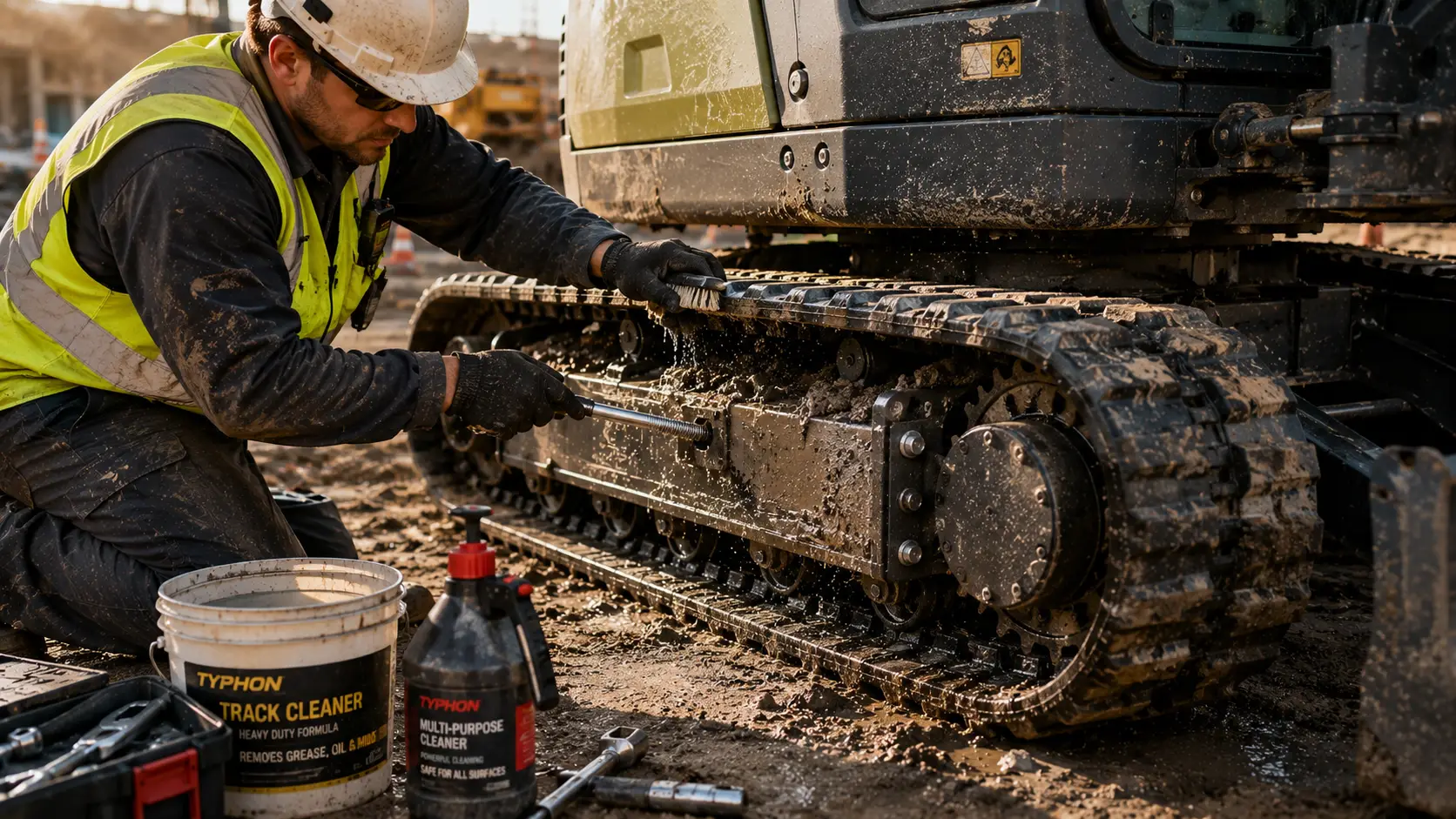
Preventing this accelerated wear requires operators to rigorously clean the undercarriage daily and proactively manage their track tension. At the end of every shift, operators must utilize a specialized track spade or high-pressure water hose to clear all compacted mud, rocks, and debris from the undercarriage before it hardens overnight. Furthermore, supervisors must mandate regular track tension checks according to the manufacturer’s specific guidelines. If a track is too tight, it places catastrophic stress on the drive motors and idler bearings, consuming excess fuel and accelerating component wear. Conversely, a track left too loose will inevitably derail while turning on a slope, damaging the rubber lugs and halting site production entirely.
Adhering strictly to undercarriage care and tension protocols guarantees exceptional equipment longevity and directly protects the contractor’s profit margins. A properly tensioned, clean undercarriage easily absorbs ground shocks and heavy breakout forces without threatening to derail or self-destruct. This absolute stability prevents massive repair bills and ensures your machinery maintains its peak pushing and pulling power. By eliminating the risk of thrown tracks, you protect both the operator from hazardous field repairs and the structural integrity of the machine’s drive system. With the tracks firmly anchored to the ground, attention must turn to the lifeblood flowing through the boom.
Protecting the Hydraulic System and Fluid Integrity
The defining feature of any modern mini excavator is its highly engineered hydraulic system, which transforms engine horsepower into massive, precise digging force. The hydraulic fluid acts as the absolute lifeblood of the machine, transmitting power while simultaneously lubricating the tight internal tolerances of the pumps, valves, and cylinders. A severe liability arises when contractors fail to maintain the absolute purity of this hydraulic fluid. Construction sites are inherently filthy environments, and any microscopic dirt, water, or abrasive silica dust that enters the hydraulic reservoir acts like liquid sandpaper. As contaminated fluid circulates under thousands of pounds of pressure, it aggressively scores the internal walls of the hydraulic pump and bypasses the delicate control valves, leading to a sluggish, completely unresponsive machine.
Eliminating these severe contamination hazards requires an uncompromising approach to hydraulic system maintenance and fluid integrity. Fleet managers must strictly adhere to the manufacturer’s recommended intervals for replacing hydraulic fluid and specialized return filters. When adding auxiliary attachments or topping off the reservoir, operators must meticulously clean the quick-disconnect couplers and the area surrounding the filler cap, ensuring absolutely no dirt falls into the sterile system. Furthermore, operators must visually inspect all hydraulic hoses for deep abrasions, swelling, or weeping fittings, replacing compromised lines long before they burst and introduce air or dirt into the closed loop.
Implementing these precise hydraulic maintenance patterns dramatically improves equipment longevity and significantly boosts overall jobsite productivity. Crystal-clear hydraulic fluid guarantees that the machine retains its factory-level breakout force and surgical precision, allowing the operator to work quickly and confidently. A highly structured, predictable approach to fluid changes prevents devastating pump failures and entirely eliminates the massive thousands of dollars in repair costs associated with rebuilding a contaminated hydraulic system. Ensuring absolute hydraulic purity empowers the machine to operate flawlessly as a synchronized powerhouse. This heightened power generation naturally requires robust lubrication at every single joint.
Managing Grease Points and Monitoring Wear Parts
Earthmoving equipment articulates through dozens of heavily loaded steel pivot points, transferring immense forces from the hydraulic cylinders through the boom, stick, and bucket. Every single one of these pivot joints relies on a microscopic layer of heavy-duty grease to prevent the hardened steel pins from grinding directly against the steel bushings. A critical problem arises when business owners fail to enforce strict daily greasing schedules, forcing the machine to operate completely dry. When heavy breakout forces are applied to an unlubricated joint, the metal components tear into each other, rapidly destroying the bushings and permanently wallowing out the loader arms. This structural degradation creates massive slop in the bucket, making precise digging impossible and eventually requiring highly expensive line-boring repairs to fix the damaged steel.
The professional standard requires strict adherence to daily lubrication and vigilant monitoring of all ground-engaging wear parts. Operators must manually pump high-quality, manufacturer-approved lithium grease into every single zerk fitting on the machine until a tiny bead of fresh grease pushes out from the edges of the joint, effectively flushing out trapped dirt and moisture. This process must be completed daily, and even more frequently when operating in heavily submerged or highly abrasive environments. Simultaneously, operators must inspect the bucket teeth, cutting edges, and wear shrouds. Operating a machine with completely worn bucket teeth forces the hydraulic system to work twice as hard to penetrate the soil, wasting diesel fuel and placing unnecessary stress on the entire boom assembly.
Adhering strictly to rigorous greasing practices guarantees exceptional machine longevity and directly protects the structural integrity of your capital investment. A fully lubricated mini excavator operates smoothly, quietly, and with immense precision, allowing operators to carve perfect trenches without fighting against loose, sloppy linkages. This dedication to maintenance prevents highly expensive structural repairs and requires significantly fewer replacement pins over the life of the machine, keeping your project budget strictly intact. By entirely eliminating the friction that destroys steel joints, you prolong the life of the entire digging assembly. When the heavy lifting generates massive internal heat, the machine relies on its next critical system.
Maintaining the Cooling System and Engine Health
A compact excavator packs a massive, heavily turbocharged diesel engine into an incredibly tight, enclosed rear housing. As the machine works tirelessly under the hot summer sun, the engine and hydraulic systems generate an enormous amount of thermal energy that must be rapidly dissipated to prevent a catastrophic meltdown. The primary limitation contractors face is the rapid accumulation of jobsite debris inside the cooling system. As the cooling fan pulls fresh air through the radiator and hydraulic oil cooler, it simultaneously sucks in massive quantities of sawdust, dry leaves, floating pollen, and thick dirt. This airborne debris quickly forms a dense, suffocating blanket over the radiator fins, entirely blocking vital airflow and causing the engine to rapidly overheat.
The definitive solution is implementing a mandatory, formalized radiator cleaning protocol to protect the engine’s long-term health. Operators must gain access to the cooling package daily, utilizing compressed air or a gentle water stream to blow the accumulated debris directly out of the radiator fins. It is critical to blow the air from the inside of the engine compartment outward, reversing the normal flow of air to effectively dislodge the trapped dirt without bending the delicate aluminum fins. Furthermore, fleet managers must ensure the engine coolant is tested regularly for proper freeze protection and anti-corrosion additives, flushing and replacing the fluid according to the factory service manual to prevent internal rust from destroying the water pump.
Enforcing this strict cooling system maintenance maximizes your equipment return on investment and ensures flawless execution during the hottest, most demanding summer projects. By confirming the radiator is completely clear and breathing freely, you entirely eliminate the threat of sudden engine overheating, blown head gaskets, or warped cylinder heads. This commitment to thermal management tightly regulates your long-term repair costs, prevents severe jobsite downtime, and reinforces an uncompromising culture of reliability among your entire workforce. Achieving this level of mechanical perfection ultimately requires managing the human element behind the joysticks.
Enforcing Strict Service Scheduling and Operator Habits
The transition from reactive field repairs to a highly profitable, proactive maintenance culture requires a deliberate, engineered approach to managing your fleet data and your personnel. Construction equipment is ultimately operated by human beings, and even the most meticulously maintained machine will suffer a shortened lifespan if the operator treats it with reckless aggression. The overarching problem is a lack of accountability regarding scheduled maintenance intervals and harsh operating habits. When a business relies on guesswork to determine when the engine oil was last changed, machines inevitably push thousands of hours past their critical service dates. Combining neglected filters with operators who constantly slam the hydraulic joysticks or track the machine over massive concrete barriers guarantees the premature destruction of the equipment.
The solution requires adopting intelligent fleet management software and enforcing strict, professional operator training. Business owners must track every single machine’s engine hours closely, scheduling preventative maintenance intervals for engine oil, fuel filters, and final drive gear oil well in advance of the deadline. This ensures the machine receives critical care before the fluids break down and lose their protective properties. Furthermore, supervisors must train operators to employ smooth, fluid control inputs rather than jerky, violent motions. Operators must be taught to let the turbocharged engine idle for several minutes before shutdown, allowing the extremely hot turbo bearings to safely cool down while fresh oil circulates, preventing catastrophic bearing failure.
Implementing rigorous service scheduling and professional operator habits translates directly into enhanced operational efficiency and dominant local market trust. By actively managing your preventative maintenance intervals and training your workforce to respect the machinery, you completely eliminate costly emergency breakdowns and drastically lower your long-term depreciation. A well-maintained, smoothly operated mini excavator retains an exceptionally high resale value, allowing you to cycle your fleet profitably when it is time to upgrade.