
The Ultimate Beginner’s Guide to Mini Excavators
Stepping onto a busy job site or managing a major landscaping project for the first time can feel overwhelming, especially when evaluating heavy machinery. Selecting the right equipment dictates the pace, safety, and ultimate profitability of your entire operation. Choosing an oversized machine often leads to property damage and blown budgets, while relying on manual labor guarantees frustrating delays and severe physical exhaustion. Navigating this equipment landscape requires a foundational understanding of the exact tools available to you and how they apply to your specific needs.
The perfect entry point into the heavy machinery market is the compact excavator. This comprehensive mini excavator beginner guide demystifies these incredibly capable machines, translating complex engineering terminology into clear, accessible language. We explore exactly what these machines are, how they perform across various demanding environments, and the hidden mechanics that make them so valuable. By understanding core specifications, exploring the vast world of hydraulic attachments, and learning how to evaluate your specific project requirements, you gain the confidence needed to make reliable, highly profitable equipment decisions.
Defining the Compact Earthmover
When approaching heavy equipment for the first time, the most fundamental question to answer is simply: what is a mini excavator? In the most basic terms, a mini excavator is a highly compact, track-mounted earthmoving machine equipped with a hydraulically powered mechanical arm and a front-mounted grading blade. While they share the exact same fundamental design and operational controls as the towering, massive excavators you see on major highway projects, manufacturers engineer them on a drastically reduced scale. This severe reduction in physical size serves as a highly intentional design choice built to solve the persistent problem of spatial limitation on modern construction sites.
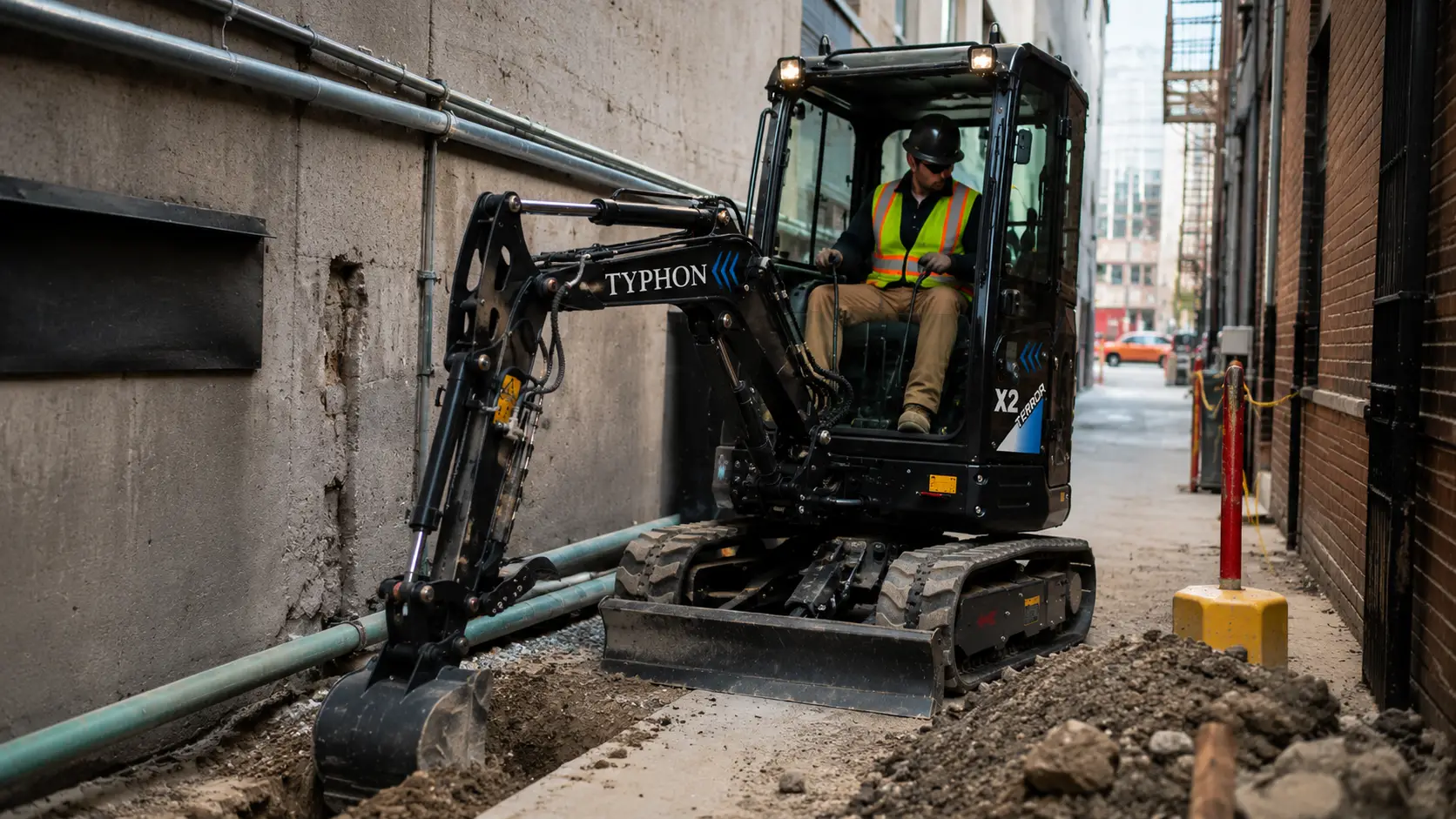
The primary difference between a mini excavator and its full-size counterpart lies in its ability to navigate deeply restricted environments while maintaining a remarkably low ground impact. Massive excavators weigh tens of thousands of pounds and rely on sheer bulk to tear through solid rock, making them impossible to deploy in crowded residential neighborhoods or narrow urban alleys. Mini excavators, by contrast, possess the agility to slip seamlessly through standard backyard fence gates and maneuver between existing commercial buildings. Because they weigh significantly less, their continuous rubber tracks distribute their operating weight evenly, allowing them to glide across finished driveways, delicate lawns, and decorative stone without causing thousands of dollars in collateral property damage.
Understanding this balance between physical size and operational power unlocks the machine’s true potential. You do not need a thirty-ton earthmover to dig a standard utility trench, but you absolutely need a machine that reaches the digging zone without destroying the surrounding infrastructure. Mastering this delicate balance leads directly into the necessity of understanding the specific terminology printed on the equipment specification sheet.
Decoding Core Equipment Terminology
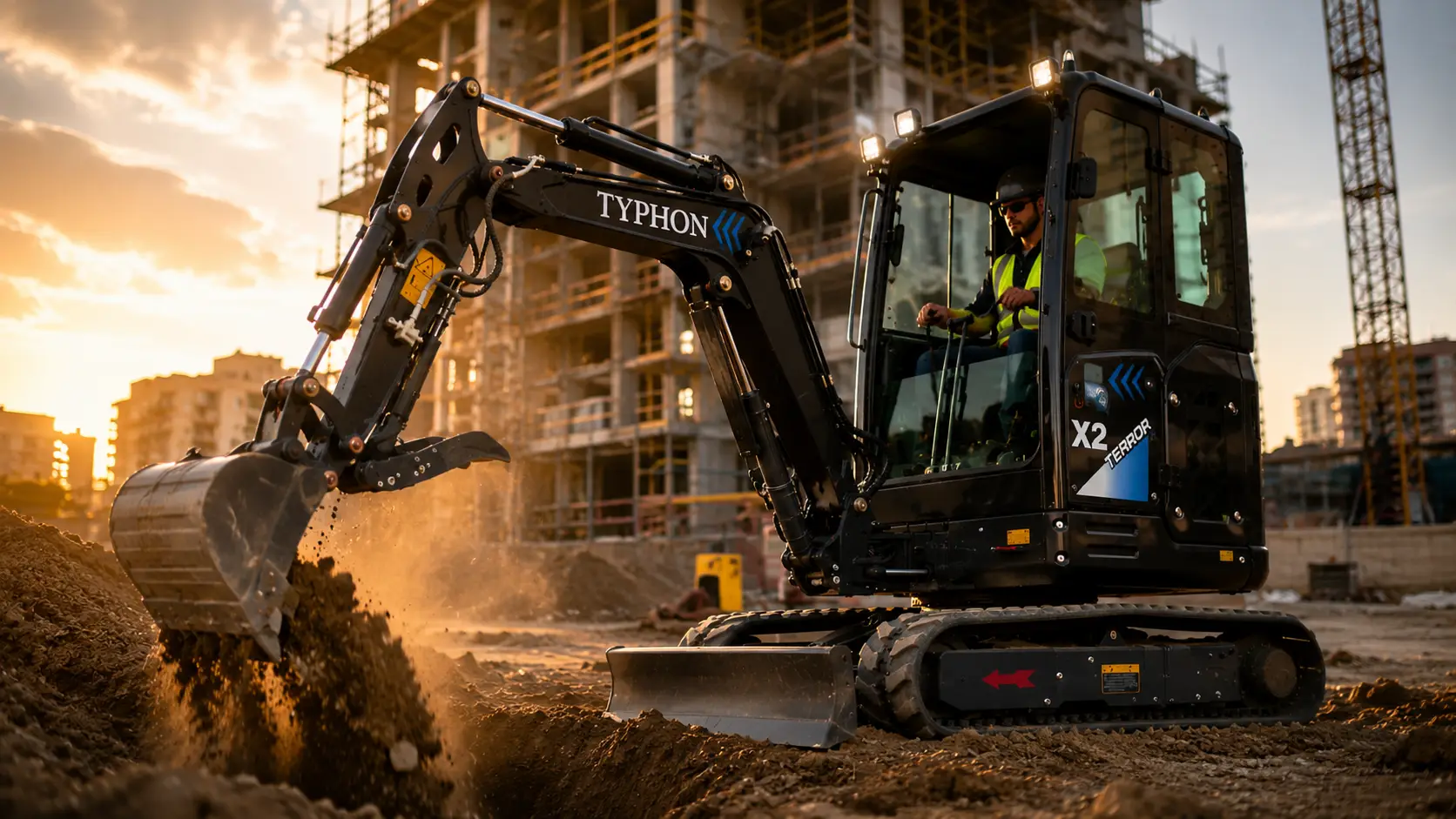
Researching compact equipment introduces a steep learning curve filled with technical jargon and engineering numbers. To a beginner, these specifications feel overwhelming, but they represent straightforward measurements that dictate exactly what the machine can and cannot accomplish. The most critical number to understand is the operating weight, which tells you the total physical mass of the machine when it is fully fueled and carrying an operator. Operating weight dictates how the machine affects the ground beneath it and exactly what size of commercial truck and heavy-duty trailer you need to transport it safely to your job site.
Beyond physical weight, buyers must pay close attention to the machine’s dig depth and hydraulic power. Dig depth represents the maximum vertical distance the mechanical arm can reach straight down into the earth. If a contract requires you to bury a municipal water line four feet underground, renting a machine with a maximum dig depth of only three feet guarantees a total project failure. Hydraulic power refers to the pressurized fluid system that gives the machine its physical strength, dictating how easily the bucket breaks through dense, compacted clay or lifts heavy concrete debris out of a trench.
Another crucial concept for beginners to grasp is tail swing. When the upper house of an excavator rotates, the rear engine compartment naturally swings outward. A conventional tail swing machine extends its rear housing past the width of its tracks, creating a massive blind spot and a high risk of slamming into a nearby wall. A zero tail swing design ensures that the entire upper body of the machine stays perfectly within the width of the tracks during a full rotation. This brilliant engineering allows operators to dig with absolute confidence right up against existing brick walls and residential foundations without the constant fear of causing catastrophic rear-swing damage.
Exploring Common Mini Excavator Uses
The immense popularity of these compact machines stems directly from their ability to dominate a wide variety of tasks with uncompromising reliability. When examining common mini excavator uses, trenching remains the most frequent application. Utility crews rely heavily on these machines to carve the long, narrow, and perfectly straight trenches required for burying electrical conduits, fiber optic cables, and residential sewer lines. The precise hydraulic controls allow an operator to delicately scrape away soil around fragile underground pipes without severing the local power grid or causing devastating neighborhood outages.
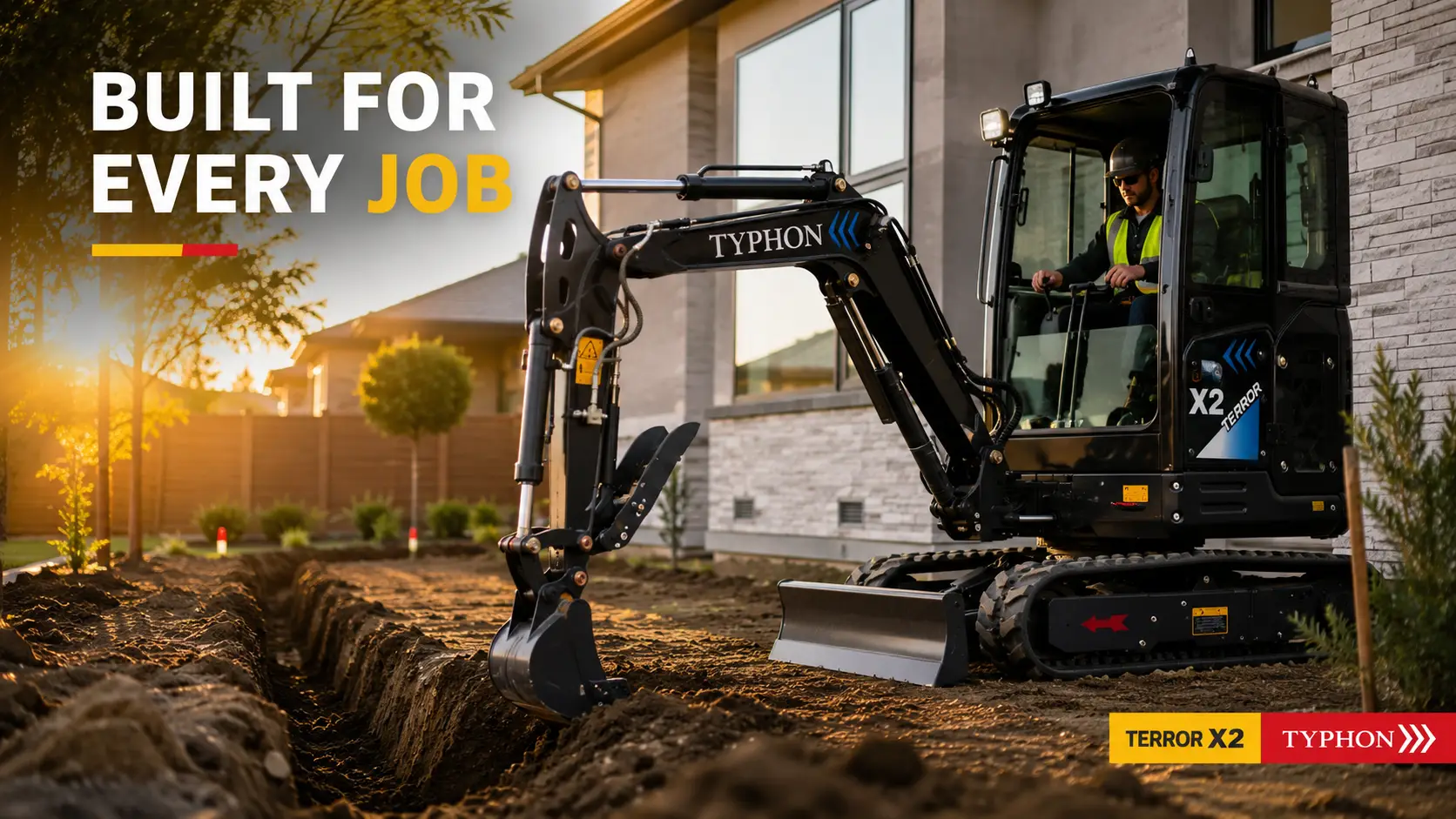
Beyond simple utility work, mini excavators stand as the absolute centerpiece of the modern landscaping and site development industries. Landscapers deploy these agile machines to reshape residential backyards completely. They effortlessly carve out deep foundations for intricate retaining walls, aggressively tear out dying tree stumps, and utilize their front-mounted blades to push loose soil and grade the land perfectly flat before laying fresh sod. This incredible maneuverability allows the operator to execute heavy earthmoving tasks mere inches from delicate flower beds and expensive patio hardscapes without causing any accidental destruction.
These machines also excel in tight-quarter demolition and urban development projects. When a contractor needs to tear out an old concrete driveway or demolish a small residential structure, bringing in a full-size wrecking machine proves entirely impractical. A mini excavator easily maneuvers into the driveway, safely tears down the structure, and lifts the heavy debris directly into waiting disposal dumpsters. Empowering a single operator to perform this heavy manual labor completely transforms the pace of the project, proving that these machines deliver incredible value beyond simple dirt-moving.
Multiplying Value Through Hydraulic Attachments
A common mistake made by first-time equipment buyers involves viewing a mini excavator exclusively as a mechanical shovel. If you only ever utilize the standard digging bucket that comes with the machine, you ignore a massive portion of its potential value. Mini excavators operate as highly sophisticated tool carriers, featuring auxiliary hydraulic lines that allow the operator to power a vast array of specialized attachments. By utilizing a quick-coupler system, an operator drops a traditional dirt bucket and attaches a highly specialized, revenue-generating tool in a matter of minutes.
Understanding the power of attachments completely changes how you approach a demanding job site. Attaching a hydraulic earth auger transforms the excavator into a precision drilling rig, allowing fencing contractors to drill hundreds of deep, perfectly vertical post holes through hard ground in a single afternoon. When a crew encounters a hidden slab of solid rock or a thick concrete foundation in the middle of a trenching project, they simply attach a hydraulic breaker. This massive mechanical hammer uses the machine’s hydraulic flow to violently pulverize the concrete into manageable pieces, completely eliminating the need to rent a separate, dedicated demolition machine.
Another highly popular attachment for beginners to consider is the hydraulic thumb. This heavy steel clamp acts exactly like a human hand, pressing tightly against the main digging bucket. By clamping down on irregular objects, the operator safely grabs, lifts, and maneuvers massive tree trunks, jagged boulders, and awkward demolition debris that normally fall out of a standard bucket. Equipping your machine with these versatile attachments allows a small crew to execute the diverse, complex workload of a dozen manual laborers.
How to Choose a Mini Excavator
With a clear understanding of the mechanics and attachments, the final challenge involves learning how to choose a mini excavator that aligns perfectly with your specific operational goals. The selection process must always begin with an honest evaluation of the job type and your typical working environment. If your business focuses entirely on indoor demolition or tight residential plumbing repairs, you must prioritize the narrowest machine possible, specifically seeking out models with retractable tracks that physically drive through a standard doorway. Conversely, if you dig deep foundations in heavy, sticky clay, you must prioritize higher hydraulic breakout force and a heavier operating weight to prevent the machine from tipping over during heavy lifts.
Transportation needs represent another massive consideration for new equipment buyers. You must ensure that your current commercial pickup truck and equipment trailer possess the legal weight ratings to haul the total mass of the excavator, along with its heavy steel buckets and chains. Purchasing a machine that proves too heavy for your existing truck forces you into an unexpected, incredibly expensive vehicle upgrade, instantly destroying your equipment budget. Additionally, buyers must factor in ongoing operating costs, understanding that larger machines naturally consume more diesel fuel and require more expensive maintenance than their smaller counterparts.
Evaluating your job site access, transportation limitations, and budget constraints ensures that you purchase a highly profitable asset rather than a logistical burden. You must balance the physical power you want with the practical reality of how you move and store the machine every single day. Taking the time to match the machine exactly to your business model guarantees a smooth, highly successful ownership experience focused on long-term reliability.
Partnering for Long-Term Success
The heavy machinery market does not need to feel like an intimidating landscape filled with confusing technical jargon and stressful purchasing decisions. Mini excavators stand as the ultimate introductory tool for professionals and dedicated property owners who demand reliable power, unmatched site agility, and complete job site versatility. By mastering the core concepts of operating weight, zero tail swing, and hydraulic attachments, you ensure your operations remain highly productive regardless of how tight the working conditions become.
Take a strategic look at your upcoming projects and evaluate the incredible amount of time and money currently lost to exhausting manual labor. Embrace the immense power of compact machinery, explore the versatile attachments that multiply your daily output, and prioritize a machine that fits your exact logistical reality. By partnering with a trusted equipment provider committed to your success, you confidently navigate the buying process and secure a fiercely reliable machine that serves your business faithfully for years to come.
10 Reasons Contractors Prefer Mini Excavators Over Full-Size Machines For…
Lorem ipsum dolor sit amet, consectetur adipiscing elit. Ut elit tellus, luctus nec ullamcorper mattis, pulvinar dapibus leo.