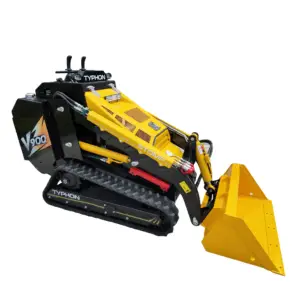
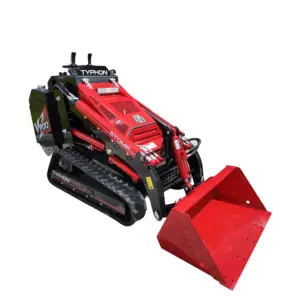
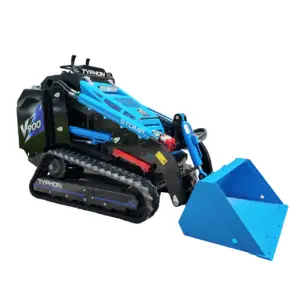
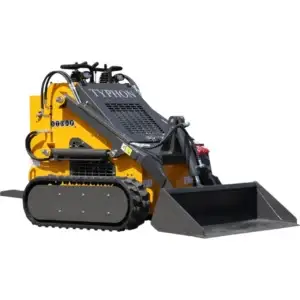
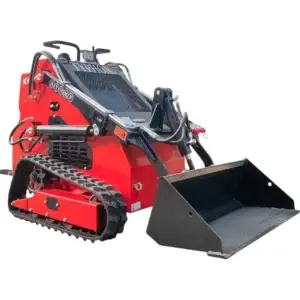
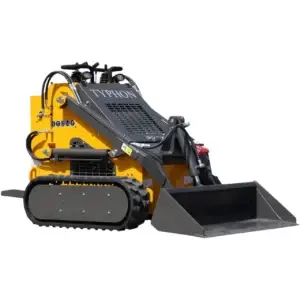
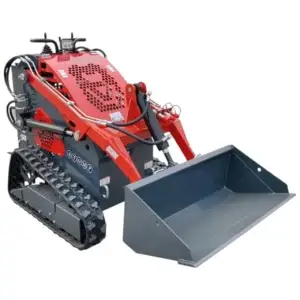
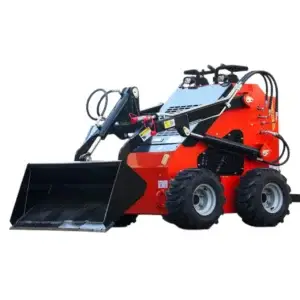
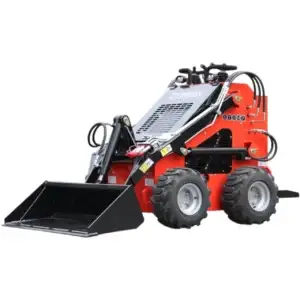
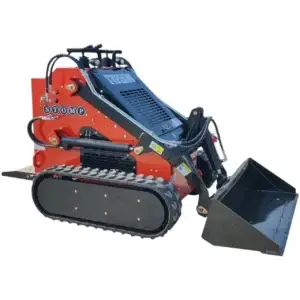
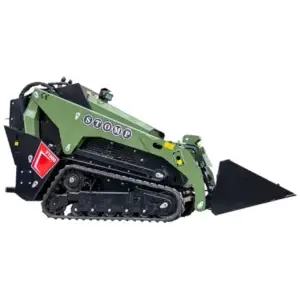
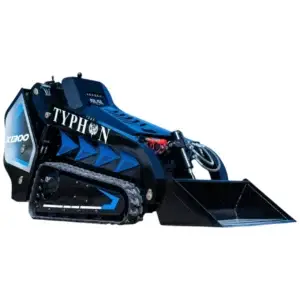
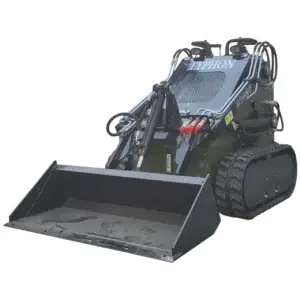
Skid Steer Loader
Engineered for maximum versatility and jobsite agility, our skid steer loaders represent the pinnacle of compact loader technology. Whether you are navigating tight residential landscaping projects or managing heavy-duty material handling on a commercial site, our construction skid steers deliver the power, visibility, and attachment flexibility required for modern infrastructure development.
The Swiss Army Knife of Construction Machinery
A skid steer loader is defined by its unique steering mechanism, which allows the machine to turn within its own footprint by "skidding" its wheels or tracks. This zero-radius turning capability makes the compact skid steer an essential tool for environments where space is at a premium. Unlike traditional front-end loaders, the skid steer is a multi-purpose power plant, capable of transforming from a simple loader machine into an excavator, a trencher, a snowblower, or a pallet mover within minutes.
The modern jobsite demands more than just raw power; it requires precision and compact maneuverability. As urban development becomes more dense, contractors rely on compact construction machinery that can operate inside building shells, under low clearances, and through narrow garden gates. Our skid steer loaders are designed to bridge the gap between heavy excavation machinery and manual labor, drastically increasing jobsite efficiency while reducing physical fatigue for crews.
Beyond simple material transportation, these construction loaders are the foundation of landscaping equipment fleets. From grading soil for a new lawn to transporting heavy boulders for retaining walls, the skid steer loader provides a level of jobsite utility that is unmatched in the heavy equipment industry.
Skid Steer Loader Applications
Versatility is the hallmark of the skid steer loader for sale. With a universal attachment plate, one machine can handle dozens of specialized tasks across multiple industries.
Landscaping Projects
Ideal for grading, sod installation, and moving heavy mulch or decorative stone. The compact loader footprint protects existing turf while delivering high torque for ground engagement.
Site Cleanup
Quickly remove construction debris, concrete chunks, and scrap material. Construction skid steers equipped with grapple buckets are the most efficient tool for maintaining a safe and clean workspace.
Grading Operations
Precise finish grading for driveways, foundations, and sidewalks. Advanced hydraulic controls allow operators to achieve level surfaces with surgical accuracy.
Agricultural Work
Essential for farm owners managing livestock feed, cleaning barns, and maintaining fence lines. The utility jobsite loader thrives in the tight confines of agricultural structures.
Material Transportation
Move pallets, pipes, and bulk materials across uneven terrain. With pallet fork attachments, a skid steer becomes a high-performance material handling loader.
Snow Removal
Transform your loader into a snow-clearing beast with blowers, plows, and salt spreaders. The compact size allows for clearing sidewalks and small parking lots where trucks cannot fit.
Demolition Prep
Use hydraulic breakers to dismantle concrete slabs and interior walls. The machine's agility is perfect for selective demolition inside industrial buildings.
Trenching Support
Dig narrow trenches for utilities, irrigation, and fiber optics. Skid steers offer a more mobile alternative to dedicated trenching machines in residential zones.
Why Skid Steer Loaders Are Jobsite Essentials
Compact Maneuverability
Zero-radius turning allows for navigation in tight corners and narrow alleys that larger construction machinery simply cannot access.
Attachment Versatility
Over 100 compatible attachments—including augers, brush cutters, and cold planers—make this the most flexible machine in your fleet.
Superior Visibility
Operators enjoy clear 360-degree lines of sight, which is critical for safety on active jobsites and precision material handling.
Productivity Improvement
One operator in a heavy-duty skid steer can perform the work of 10 manual laborers, significantly shortening project timelines.
Reduced Labor Costs
By automating excavation, grading, and hauling, contractors can reduce their headcount while increasing their daily output.
Jobsite Flexibility
Easily transported on a standard trailer behind a pickup truck, allowing for rapid deployment across multiple locations in a single day.
Skid Steer Types & Performance Capabilities
Choosing between a tracked skid steer and a wheeled skid steer depends entirely on the terrain and the primary tasks of your operation.
Wheeled Skid Steer Loaders
The classic choice for hard surfaces like asphalt, concrete, and hard-packed dirt. Wheeled models are generally faster, easier to maintain, and more cost-effective for operators who work on improved surfaces. They offer excellent jobsite utility for snow removal and road maintenance where speed is a factor.
Tracked Skid Steer Loaders (CTL)
Compact Track Loaders (CTL) utilize rubber tracks to provide low ground pressure and high flotation. This makes them the ultimate landscaping skid steers for soft, muddy, or sandy conditions. Tracks provide superior traction on slopes and minimize ground disturbance on sensitive turf, making them a favorite for property developers and foresters.
Compact vs. Heavy-Duty Models
Compact loaders are designed for residential use and indoor work, emphasizing small footprints and low weight. Conversely, heavy-duty skid steer models focus on high Rated Operating Capacities (ROC) and high-flow hydraulics to power demanding attachments like mulchers and planers.
Vertical vs. Radial Lift
Radial lift machines excel at ground-level work like grading and digging. Vertical lift models are engineered for loading trucks and stacking pallets, providing more reach at the top of the lift cycle—critical for material handling loader efficiency.
Optimizing Jobsite Efficiency & Performance
Modern compact construction machinery is a high-tech asset. Performance is no longer measured just in horsepower, but in how effectively the machine integrates with the operator's workflow.
Attachment Compatibility & High-Flow Hydraulics
The true power of a skid steer loader lies in its hydraulic system. Our machines offer high-flow options that provide the extra "punch" needed for heavy-duty attachments. Standard flow is perfect for buckets and forks, while high-flow systems allow for efficient operation of wood chippers and asphalt grinders, ensuring construction loader machine productivity remains peak across all seasons.
Precision Grading & Operator Controls
Selectable joystick controls and adjustable response rates allow operators to "feel" the ground. This sensitivity is vital for grading operations where a difference of an inch can determine the success of a drainage system. Furthermore, integrated grade control technology can be added to many models to automate the leveling process.
Maintenance also plays a pivotal role in long-term construction productivity. With easy-access engine bays, translucent fluid reservoirs, and standardized grease points, our skid steer loaders are designed to spend less time in the shop and more time earning on the jobsite. Fuel-efficient engines meet modern emission standards without sacrificing the breakout force needed for tough excavation support.
Who Relies on Skid Steer Loader Equipment?
General Contractors
Used for everything from foundation preparation to hauling materials across sprawling commercial sites. The skid steer is the most used machine in a contractor's inventory.
Professional Landscapers
Essential for hardscaping, tree planting, and massive soil moving projects. Tracked models allow work to continue even after heavy rain.
Agricultural Operators
Farmers use compact loaders to manage hay, clean stalls, and maintain roads. Its maneuverability inside barns is a game-changer for daily chores.
Demolition Teams
With hydraulic shears and hammers, a skid steer becomes a powerful tool for selective demolition and concrete removal in urban revitalization projects.
Skid Steer Loader FAQ
A skid steer loader is a versatile machine used for digging, lifting, grading, and moving materials. Because of its ability to use over 100 attachments, it is used in construction, landscaping, agriculture, and snow removal.
Wheeled skid steers are faster and better for hard surfaces like concrete or asphalt. Tracked skid steers (Compact Track Loaders) offer better traction on soft, muddy, or sloped ground and exert less pressure on the surface, protecting turf.
They replace manual labor for heavy tasks and can switch between roles (like a loader to a trencher) in minutes. Their compact size allows them to work in areas larger machines can't, keeping projects moving forward in tight spaces.
Common attachments include buckets, pallet forks, augers, hydraulic breakers, brush cutters, snowblowers, trenchers, and grapples. Most modern skid steers use a universal quick-attach system.
The construction, landscaping, agriculture, and demolition industries are the primary users. They are also popular with utility crews, municipalities for road work, and property developers for site prep.
Proper training is essential for safety and machine longevity. Understanding load limits, center of gravity, and attachment hydraulics prevents accidents and reduces wear and tear on the loader.
Daily checks of hydraulic fluid levels, engine oil, and air filters are vital. For tracked models, track tension and undercarriage cleaning are critical. For wheeled models, tire pressure and lug nut torque should be monitored.
One operator in a skid steer can move as much earth or material as a crew of workers using shovels and wheelbarrows, allowing companies to tackle larger projects with smaller teams.
Rated Operating Capacity (ROC), hydraulic flow rate (GPM), and engine horsepower are the primary specs. Terrain conditions and the weight of the attachment also play significant roles in performance.
Their popularity stems from their versatility. Small businesses can own one machine that does the work of five specialized machines, making it a highly cost-effective investment for growing companies.
Buyers should compare lift height (Vertical vs Radial), ROC, hydraulic flow, cab comfort (visibility and climate control), and the availability of local service and parts support.
They streamline site preparation and cleanup, allow for rapid material distribution, and can operate in indoor or confined spaces, ensuring no part of the jobsite is inaccessible to mechanical power.